

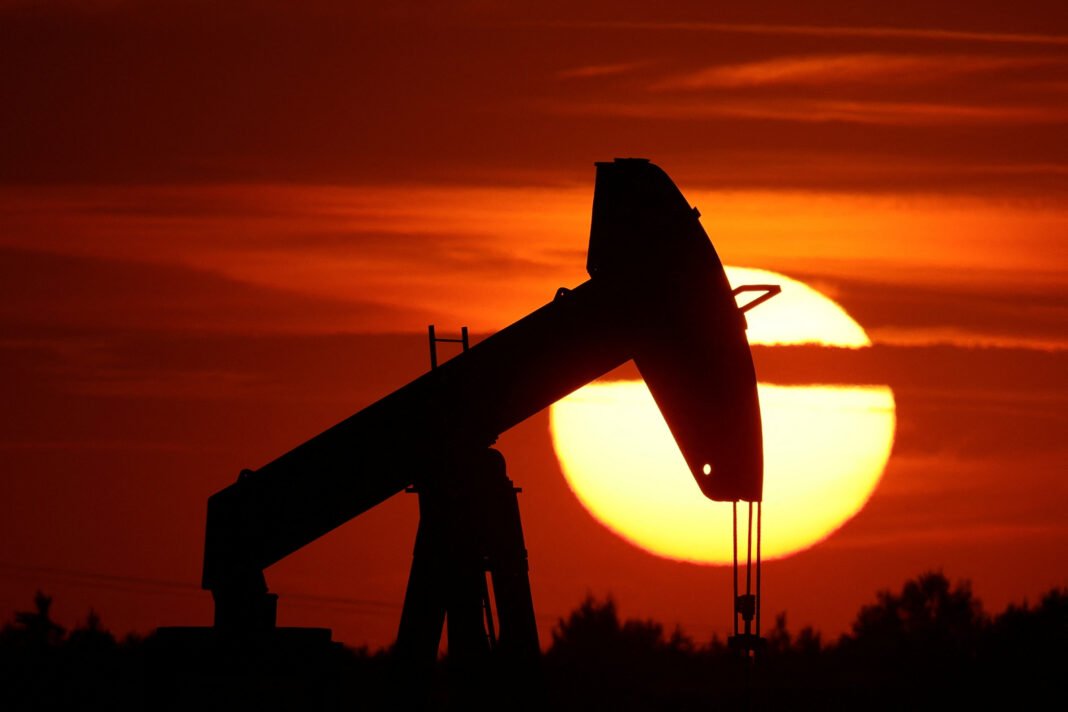
Oil prices show limited movement as geopolitical signals shift. The oil market stability remains fragile despite easing rhetoric. Investors balance peace expectations with ongoing supply risks.
First, comments from Donald Trump influence market sentiment. He signaled willingness to end the conflict with Iran. As a result, traders reacted cautiously. However, uncertainty still dominates decision-making.
Meanwhile, the Strait of Hormuz continues to shape global supply concerns. This route carries nearly 20% of global oil flows. Therefore, any disruption creates immediate pressure. Even partial closure keeps markets tense.
In early trading, price movements remained limited. Brent Crude rose slightly by $0.18. It reached $112.96 per barrel. However, earlier losses reduced gains during the session. The June contract stood lower at $107.10.
At the same time, West Texas Intermediate moved downward. It dropped by $0.25 to $102.63 per barrel. Despite this decline, it had reached its highest level in weeks earlier.
Analysts describe this reaction as temporary. Markets respond quickly to diplomatic signals. However, real change depends on supply restoration. Therefore, full reopening of Hormuz remains critical for stability.
Additionally, reports suggest mixed policy directions. Trump reportedly considers ending military operations soon. However, he may delay reopening Hormuz. This approach adds uncertainty to supply expectations.
Earlier statements also increased tension. Trump warned of strong action against Iranian energy facilities. Such warnings created fear across markets. Consequently, traders remain cautious despite peace signals.
Moreover, recent data highlights strong price momentum. Brent prices increased by 59% over the month. Similarly, WTI gained 58%. These gains reflect ongoing supply fears and geopolitical risks.
At the same time, infrastructure concerns persist. Experts warn that repairs require time even after de-escalation. Damaged facilities cannot resume operations quickly. Therefore, supply constraints may continue.
In addition, maritime risks increase pressure. A large oil tanker faced an alleged attack near Dubai. The vessel could carry up to 2 million barrels. This incident raised fears of supply disruptions and environmental risks.
Furthermore, regional tensions extend beyond one area. Groups aligned with Iran targeted Israel with missiles. This escalation increases risks near the Bab el-Mandeb Strait. This route connects major global shipping lanes.
As a result, oil transport routes continue to shift. Saudi Arabia redirected exports toward the Red Sea. Shipments reached 4.658 million barrels per day. This figure rose sharply from earlier levels below 1 million.
Consequently, supply chains adapt under pressure. However, these changes increase costs and delays. Markets respond by maintaining cautious pricing behavior.
Experts also warn about shrinking market buffers. Spare supply continues to decline steadily. Therefore, the oil market stability faces ongoing challenges.
In conclusion, oil market stability remains uncertain despite diplomatic signals. Supply risks, infrastructure damage, and regional tensions maintain pressure. Markets will likely remain sensitive to any new developments.