

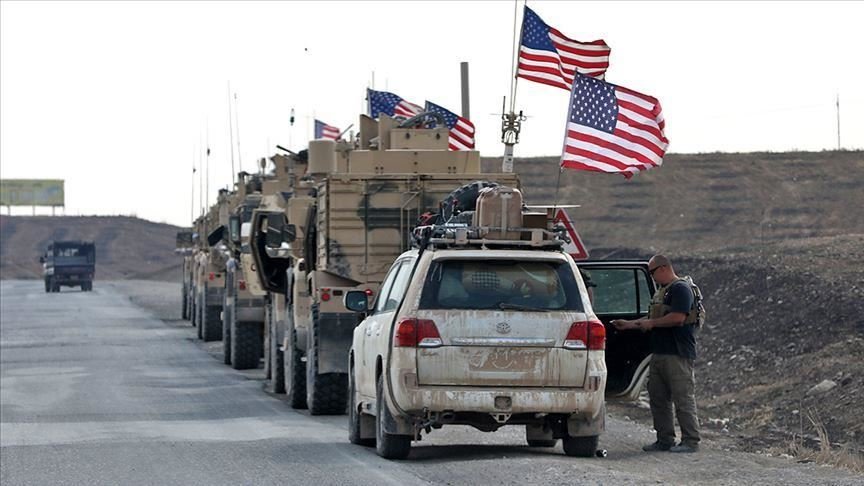
Iraq and the United States launched a Security Coordination Boost to deepen cooperation across key sectors. This Security Coordination Boost focuses on security, politics, and economic stability. As a result, both countries aim to strengthen their long-term partnership.
First, officials agreed to create a new joint body to guide cooperation. This body, called the High Joint Coordination Committee, will oversee strategic coordination. Both Iraq and the United States support this initiative. Therefore, the agreement marks a significant step forward in bilateral relations.
Moreover, the committee held its first meeting and outlined key priorities. Leaders agreed to intensify coordination against terrorism. They also stressed the need to prevent attacks on civilians and infrastructure. As a result, both sides aim to improve national and regional security.
In addition, the Security Coordination Boost emphasizes protecting Iraqi territory. Officials confirmed that no group should use Iraq as a base for attacks. This includes threats against Iraqi citizens, security forces, and international partners. Consequently, the plan supports stronger internal stability.
Furthermore, both sides highlighted the importance of Iraq’s neutrality. They want to keep the country outside ongoing regional conflicts. This approach helps reduce tensions and protect national interests. At the same time, it reinforces Iraq’s independent position.
The agreement also focuses on sovereignty and territorial integrity. Both countries committed to respecting Iraq’s borders and authority. They also agreed to ensure that Iraqi airspace and waters remain secure. Therefore, Iraq strengthens control over its national domain.
Meanwhile, the Security Coordination Boost includes protection for diplomatic missions. Officials stressed the safety of foreign embassies and coalition personnel. This step ensures continued international cooperation with Iraq. It also supports stable diplomatic relations.
In parallel, both sides reaffirmed their joint efforts against terrorism. Their past cooperation helped defeat ISIS in Iraq. Now, they aim to maintain those gains and prevent future threats. Consequently, security coordination remains a top priority.
Additionally, the agreement highlights a balanced approach to cooperation. Iraq will lead actions within its territory. Meanwhile, the United States will provide support and coordination. This structure respects Iraq’s sovereignty while ensuring effective collaboration.
Overall, the Security Coordination Boost reflects a renewed commitment between Iraq and the United States. It strengthens security, supports stability, and enhances strategic cooperation. As regional tensions continue, the Security Coordination Boost will play a vital role in safeguarding Iraq’s future.