

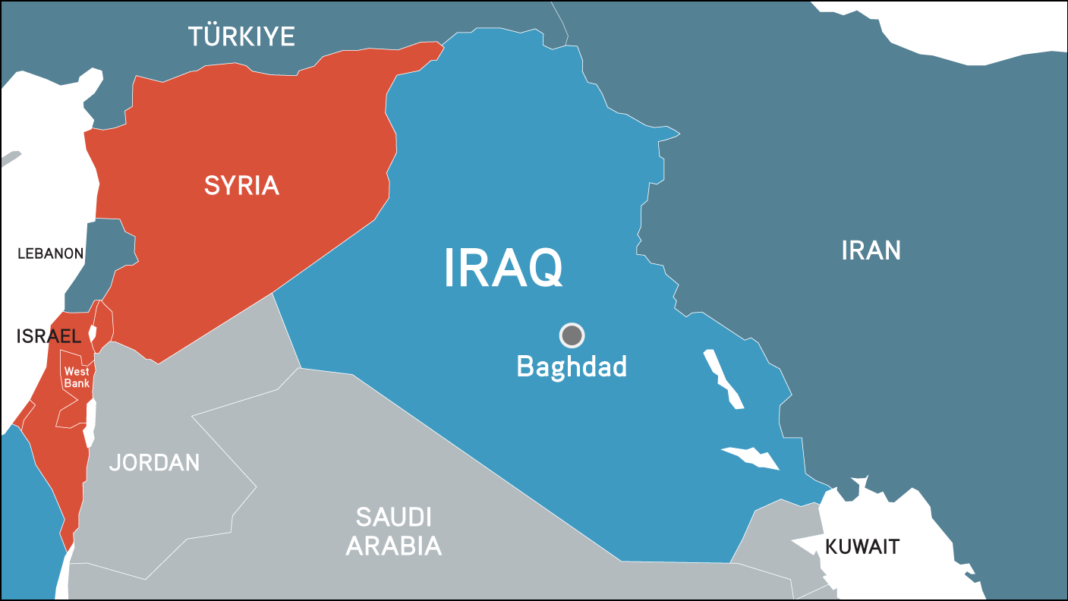
Iraq intensified diplomatic outreach as Iraq’s regional escalation talks gained urgency. Prime Minister Mohammed Shia al-Sudani held separate calls with Bahrain and Kuwait leaders. He aimed to prevent wider war across the Middle East.
Al-Sudani spoke with Hamad bin Isa Al Khalifa about fast-moving security developments. Both leaders demanded an immediate halt to military operations. They warned that continued strikes could ignite broader confrontation.
At the same time, Iraq’s regional escalation talks expanded to Kuwait. Al-Sudani contacted Sabah Khaled Al-Hamad Al-Sabah to discuss urgent regional risks. They described the situation as dangerous and unpredictable.
Both discussions stressed Arab coordination as the primary solution. Leaders argued that dialogue remains the only viable path forward. Therefore, they called for collective action to stop further escalation.
The diplomatic push follows major US and Israeli strikes on Iran. The attacks triggered retaliatory missile and drone operations across several countries. As a result, the conflict evolved into a wider regional crisis.
Reports indicated that more than 500 people died in different Iranian cities. Retaliatory operations also caused casualties among US forces in Kuwait and others in Israel. Consequently, tensions reached new levels.
Missile and drone attacks targeted military facilities in Bahrain, Kuwait, Qatar, the United Arab Emirates, and Jordan. The US Fifth Fleet headquarters in Bahrain also faced threats. These developments increased pressure on Gulf governments.
Iraq regional escalation talks now focus on preventing additional countries from entering the conflict. Iraqi officials fear economic and security fallout if war spreads further. Therefore, Baghdad positions itself as a stabilizing voice.
Al-Sudani and Gulf leaders urged major global powers to act responsibly. They stressed that international stability depends on immediate de-escalation. Furthermore, they encouraged reopening diplomatic channels.
The crisis follows earlier confrontations in the region, including the Twelve-Day War in June 2025. Tensions escalated further after protests inside Iran and increased US military deployments. Consequently, the region entered another volatile phase.
Iraq faces airspace closures and localized security threats. However, leaders prioritize diplomacy over confrontation. Iraq regional escalation talks reflect that strategy clearly.
Baghdad continues communication with neighboring capitals to manage risks. Officials believe joint Arab coordination can contain the crisis. They also warn that prolonged fighting could harm regional economies.
For now, Iraq regional escalation talks remain active as leaders seek calm. Diplomatic channels stay open despite rising tensions. Iraq aims to prevent wider war through sustained dialogue.