

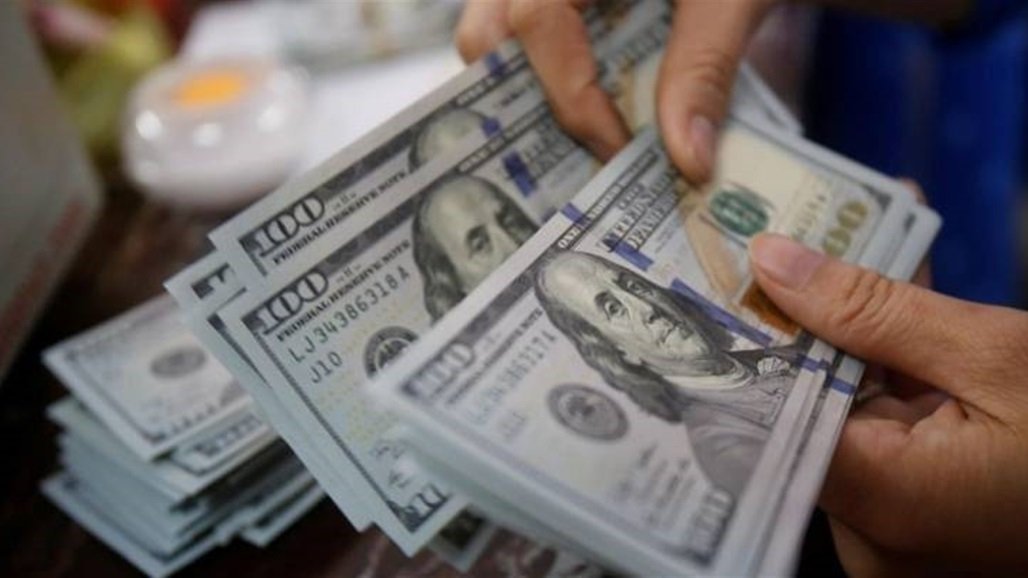
Iraq experienced a slight currency shift as the Iraq dollar rate moved lower in major markets. Traders in Baghdad and Erbil adjusted prices early in the trading session. Moreover, calmer demand supported smoother market activity.
In Baghdad, currency markets opened with reduced dollar prices. Dealers responded to market signals and adjusted rates quickly. As a result, trading floors reflected softer demand for foreign currency.
At the central exchange markets, rates declined modestly compared with previous levels. Traders welcomed the reduced pressure on the dinar. Consequently, market sentiment improved during morning hours.
Currency exchange shops in Baghdad updated both selling and buying prices. Selling rates dropped slightly, while buying rates followed the same direction. This alignment supported balanced trading conditions.
Meanwhile, Erbil markets mirrored the trend seen in the capital. Dealers lowered dollar selling prices in response to demand changes. They also adjusted buying rates to maintain market consistency.
This movement helped support Iraq dollar rate stability across regions. Market participants noted reduced volatility and smoother transactions. Furthermore, consistent pricing encouraged routine trade activity.
Retail businesses monitored exchange developments closely. Lower dollar rates helped importers manage short term expenses. Therefore, business planning became slightly easier.
Travelers and daily consumers also benefited from improved exchange conditions. Small currency exchanges became more affordable. This shift supported everyday financial needs.
Financial observers pointed to disciplined pricing behavior among dealers. Coordination across markets reduced sudden fluctuations. Such behavior strengthened confidence in the exchange system.
Additionally, steady oil revenues supported overall currency balance. Export income helped offset market pressures. Thus, broader economic factors contributed to stability.
Banks and licensed exchange shops continued orderly operations. They followed regulatory guidance carefully. This approach improved transparency and public trust.
Digital access to exchange information also improved market awareness. Traders tracked rates in real time. As a result, price differences narrowed between cities.
Iraq dollar rate performance also reflected regional economic steadiness. Cross border trade activity remained stable. Hence, external pressures stayed limited.
Authorities continued monitoring currency movements closely. They focused on protecting purchasing power. These efforts supported long term financial confidence.
In conclusion, the Iraq dollar rate showed controlled easing in local markets. Baghdad and Erbil moved in parallel. Currency stability continued to support economic activity.