

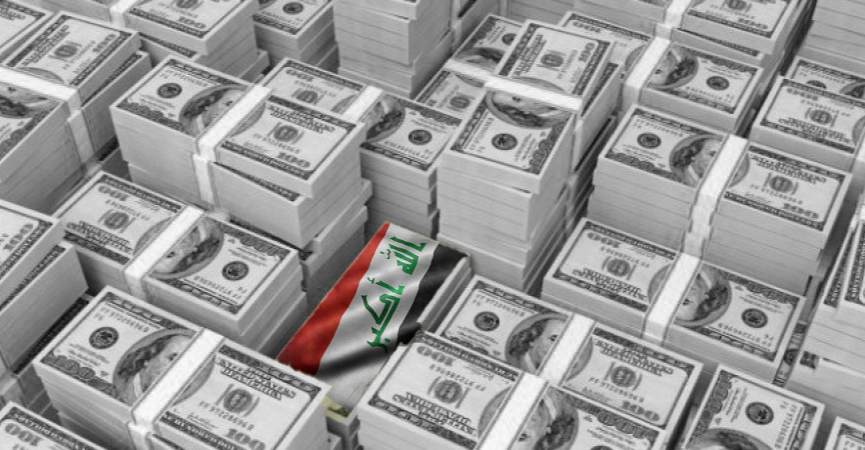
Iraq experiences steady currency changes as the Dollar Shift Trend grows stronger across key cities. Traders in Baghdad and Erbil monitor every movement, and they respond quickly as the Dollar Shift Trend continues.However, markets stay tense, and many people follow the Dollar Shift Trend because it influences daily costs.
The US dollar rises against the Iraqi dinar, and traders react fast. Baghdad sees higher exchange rates, and the trend increases pressure on buyers. People in the capital feel the impact, and many shops adjust their prices. Every shop tries to stay competitive, and traders constantly watch the market.
Baghdad records sharper climbs, and traders highlight strong demand for dollars. The central exchanges in the city note rising figures, and many buyers rush to secure dollars.As well as, shops then increase their selling prices, and the changes spread across several districts. Prices reach new levels, and shoppers feel the challenge.
The capital’s currency shops sell dollars at higher rates, and the increase affects small merchants. Shops sell at 143,500 IQD per 100 dollars, and they buy at 141,500 IQD. These numbers push traders to rethink their strategies, and the fast pace worries many families. People try to adapt, and every shift influences their decisions.
Erbil also sees movement, and traders note a similar pattern. The northern markets show a modest rise, and buyers adjust their expectations. Shops sell dollars for 141,650 IQD per 100 dollars, and they buy at 141,500 IQD. The changes appear smaller than Baghdad’s, yet they still matter for local traders. Everyone watches the numbers, and many expect more increases soon.
Moreover, currency experts monitor the situation closely.Additionally, they track supply and demand, and they study the regional market. Banks coordinate with traders, and they work to reduce sudden swings. Yet market activity continues to accelerate, and traders stay alert. People discuss the rising dollar every day, and they try to understand what comes next.
Furthermore, many households worry about rising living costs. As well as, they buy essential goods daily, and they feel the difference quickly. Families follow exchange updates, and they try to plan their spending. Every shift brings new concerns, and people want stability. However, the markets keep moving, and traders respond minute by minute.
Iraq faces ongoing currency volatility, and the trend shapes economic behavior. Many people expect more changes, and they seek clear guidance. Traders increase their efforts, and households try to balance their budgets. However, the situation evolves quickly, and markets stay active.