

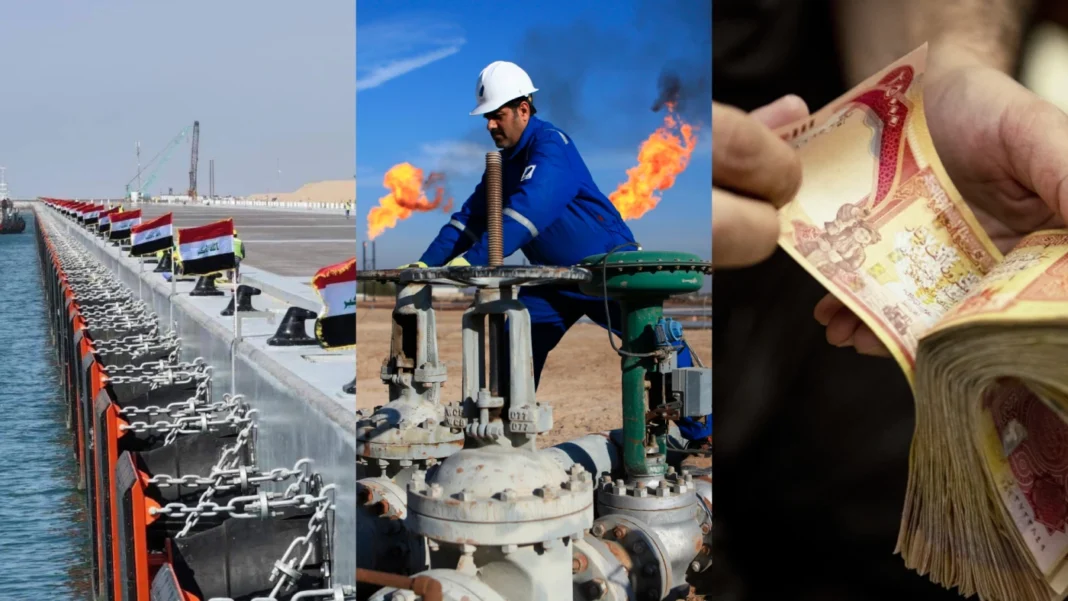
Iraq continues its Iraq economic reform drive with strong determination, and leaders push new plans across many sectors. The government meets often to review progress, and every meeting brings new steps toward faster growth. Officials want clear results, and they work together to create steady improvement. Moreover, every new discussion adds momentum to the Iraq economic reform drive.
Leaders in Baghdad hold a major cabinet meeting on energy, and they focus on quick action. They want higher national income, and they target stronger performance in the oil and commodities sectors. The government seeks more revenue, and it aims to expand export capacity for petroleum products. Iraq now enjoys self-sufficiency in many areas, and officials see this achievement as a solid base for wider reforms. Furthermore, they continue the Iraq economic reform drive to build long-term stability.
During the meeting, the prime minister and senior ministers discuss new economic models for large investment projects. They explore options for the electricity sector, and they aim to increase efficiency. The prime minister asks the Ministry of Electricity to conduct a deep study on new investment plans. He wants solutions that support growth, and he encourages officials to think creatively. In addition, he pushes for improvements in oil revenues and crude refining capacity.
Leaders also examine pending financial issues linked to energy projects. They want quick resolutions, and they stress direct cooperation between ministries. This teamwork helps the country move faster, and it also brings clarity to important decisions. Every ministry follows clear goals, and each one works to support national development.
Government officials highlight how strong economic plans create a healthy investment climate. International companies show greater interest in Iraq, and many firms plan to join key development projects. Investors see real potential, and they trust the country’s positive direction. Moreover, Iraq enjoys growing political and economic stability, and this stability attracts both regional and global partners.
Arab and international investors explore opportunities in several sectors. They look at infrastructure, energy, construction, and technology. Iraq welcomes these partnerships, and leaders believe new projects will strengthen the national economy. The government also supports transparent procedures, and this clarity encourages more foreign companies to enter the Iraqi market.
Overall, Iraq aims for sustained progress, and leaders remain committed to economic transformation. They continue to work on strategic plans, and they expect new reforms to bring wider prosperity. As momentum grows, Iraq looks toward a future filled with stronger industries, higher revenue, and more global engagement.