

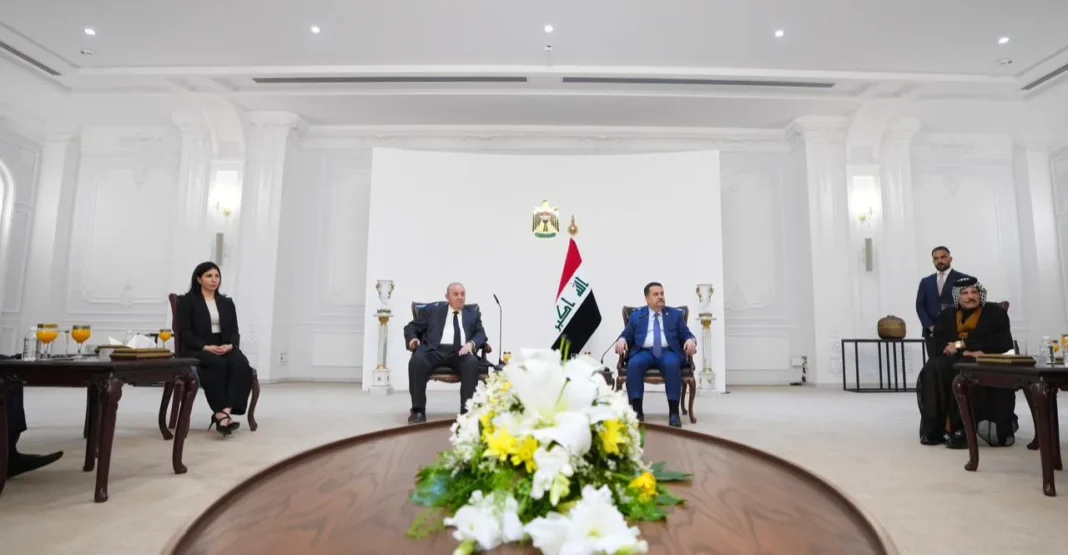
Iraq’s Prime Minister Mohammed Shia al-Sudani has pledged to end Iraq gas flaring, a costly and long-standing problem that drains the national economy. He said the plan reflects the government’s goal of achieving energy independence and boosting sustainable development.
During a recent meeting, al-Sudani confirmed that Iraq had already halted petroleum imports, saving nearly 6 trillion dinars ($4.6 billion). The next stage, he noted, focuses on capturing associated gas to generate electricity and supply domestic industries.
The gas flaring issue continues to affect the nation’s economy and environment. In 2024, Iraq burned 17.37 billion cubic meters of gas, ranking among the top flaring countries worldwide. This waste costs the country about $4 billion annually in lost revenue and missed investment opportunities.
To address the problem, the Oil Ministry has set 2028 as the target year to eliminate routine flaring. It is working with Total Energies and several other international firms to capture, refine, and reuse flared gas. These projects aim to power homes, expand refinery output, and improve electricity generation across Iraq.
Officials explained that reducing Iraq gas flaring will support industrial growth, create thousands of jobs, and enhance environmental protection. The captured gas will supply modern power plants and industrial complexes planned under Iraq’s new energy diversification program.
The Oil Ministry stated that ending flaring supports Iraq’s climate commitments and strengthens energy security. “Ending gas flaring could power millions of homes and cut reliance on Iranian gas,” the ministry said earlier.
Experts believe that successful implementation of the Iraq gas flaring initiative will improve Iraq’s fiscal stability and reduce import dependency. It also represents a major step toward sustainable energy management and national self-reliance.