

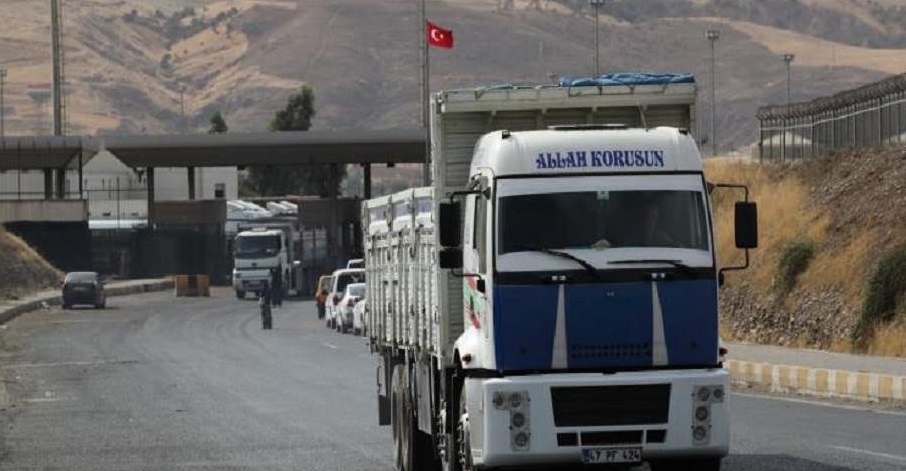
Iraq continues to strengthen its trade ties with Turkey through increasing imports. In a recent trade report, Iraq ranked fifth among the largest buyers of Turkish products. The value of imported goods reached nearly $1 billion in just one month. This highlights the growing role of Iraq in regional trade.
Turkey’s export figures show a slight decrease compared to last year. However, Iraq’s demand for Turkish goods remains strong. Germany led the list of buyers, followed by the United States, the United Kingdom, and Italy. Iraq came next with a total import value close to $1 billion. These five countries together formed over one-fourth of Turkiye’s total exports.
Trade between Iraq and Turkey has been rising steadily. Iraq imports large quantities of commodities, food products, and construction materials from its neighbor. In addition, Turkiye continues to benefit from Iraq’s heavy reliance on nearby suppliers. Iran also plays a major role, while Gulf states and Jordan provide smaller amounts of goods.
Moreover, Iraq’s position as a top Turkish imports goods underlines its dependence on regional markets. The country still lacks large-scale domestic industries to meet growing demand. Therefore, it continues to depend on international trade, especially with Turkiye. The close geographical link, short transportation routes, and cultural ties all make this trade flow stronger.
Furthermore, experts see Iraq’s rising imports as both an opportunity and a challenge. On one hand, strong imports ensure the supply of essential goods for Iraq’s growing population. On the other hand, the country needs long-term investment in local production to balance trade. Developing agriculture, industry, and logistics could reduce reliance on imports.
In addition, the current trade balance shows that Iraq spends heavily on consumer and industrial goods from abroad. This trend supports Turkiye’s economy while creating pressure on Iraq’s currency reserves. Therefore, officials in Baghdad face the challenge of diversifying suppliers while improving domestic output.
Overall, Iraq’s $1 billion in Turkish imports within one month demonstrates deep economic interdependence. As Iraq strengthens its role in the region, its reliance on Turkish exports remains a central feature of its economy. With careful planning and stronger local industries, Iraq could transform its trade position in the future.