

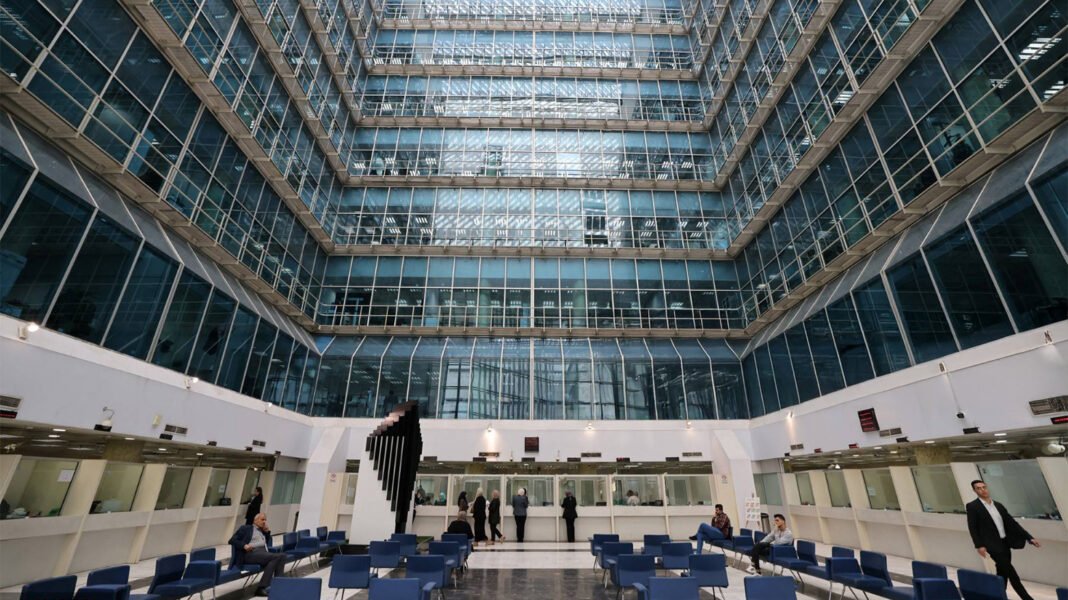
The Rat ate 62 trillion dinars has taken over conversations across Iraq. It all started with a viral claim that a lone rat chewed through a mountain of cash stored at the Central Bank. While officials have strongly denied this bizarre tale, many Iraqis suspect there’s more behind it than meets the eye.
Social media users lit up the internet with jokes, memes, and speculations about this unusual headline. According to the rumors, this sneaky rat destroyed 62 trillion dinars. That number is beyond imagination, even in financial circles. Yet, for Iraqis used to surreal news, the idea sounded oddly familiar.
Officials quickly moved to squash the story. A Central Bank representative assured the public that no rat could possibly reach the nation’s currency. They explained that Iraq’s cash reserves sit inside high-security vaults. These vaults are protected and sealed, far from any hungry rodents. “It’s impossible,” the source said.
However, many Iraqis didn’t buy the official explanation. For them, the claim that a rat ate 62 trillion dinars might be absurd, but it distracts from a more believable truth: corruption. Political analyst Mohammed Na’naa dismissed the rat story as a smokescreen. He believes the real scandal involves a much smaller amount of money, but comedy now buries that truth.
Na’naa explained that exaggerating the crime turns attention away from what really happened. “Who believes a rat could chew up that much money?” he asked. “It’s meant to make people laugh and forget.” The public supports this theory, as they often hear strange stories that cover real financial crimes.
Economists have also rejected the claim. Ahmed Al-Ansari noted that today’s banking systems use advanced security. Vaults are airtight, reinforced, and designed to prevent all unauthorized access—including from rodents. “The idea defies logic,” Al-Ansari added.
Still, the Iraqi people remain skeptical. Many say they’ve heard similar excuses before. In one past scandal, pigeons were blamed for tons of missing wheat. So when the phrase rat ate 62 trillion dinars started trending, it immediately joined the country’s long list of unbelievable excuses.
Despite firm denials from officials, citizens believe the story reflects a deeper truth. They say these tales are not meant to convince but to distract. People find humor in the story while quietly assuming the worst. And now, the “Central Bank rat” joins a growing cast of unlikely scapegoats for the nation’s ongoing corruption problems.