

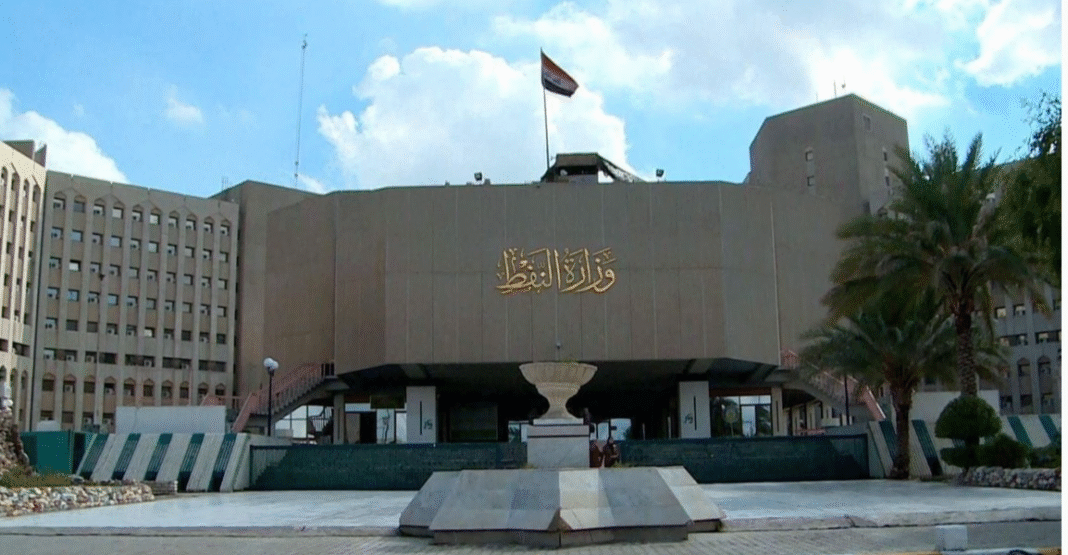
Oil exports in June, Iraq’s Ministry of Oil announced its final oil export figures for June, showing a strong performance across the country. The total number of exported crude oil barrels reached 98,882,613 for the month.
Exports from central and southern Iraq made up the majority of the total. These regions shipped 97,718,994 barrels, confirming their key role in the national oil economy. The Iraq oil exports in June also included 946,741 barrels from the Qayyarah fields and 216,878 barrels sent to Jordan.
The average daily export rate stood at about 3.296 million barrels per day. This marked a slight increase from May’s average of 3.278 million barrels per day. The boost reflects both stable output and steady demand for Iraqi oil.
The total revenue generated from oil exports reached $6.70 billion. With this figure, the average price per barrel came out to roughly $67.74. The Iraq oil exports in June provided a major source of income for the country, which depends heavily on oil revenues.
Officials noted that favorable pricing and improved export logistics helped support the numbers. Iraq has worked to maintain its production levels under agreements with OPEC and international partners. The June data shows the country’s effort to balance domestic needs with global commitments.
The oil exported to Jordan, while smaller in volume, highlights Iraq’s continued regional trade activity. Similarly, exports from Qayyarah signal the government’s intent to keep northern fields in operation, despite logistical challenges.
The Iraq oil exports in June also show Iraq’s determination to recover its economy and support public services through oil revenue. The government uses these earnings to fund national infrastructure, salaries, and social programs.
Experts believe this trend may continue if global oil prices remain steady. However, they caution that fluctuations in price or production agreements could impact future earnings. For now, the June results reflect stability and growth in Iraq’s oil sector.
The Ministry of Oil plans to keep improving its export capacity and production efficiency. Continued investment in oil infrastructure and better management could help Iraq achieve even higher export figures in the coming months.