

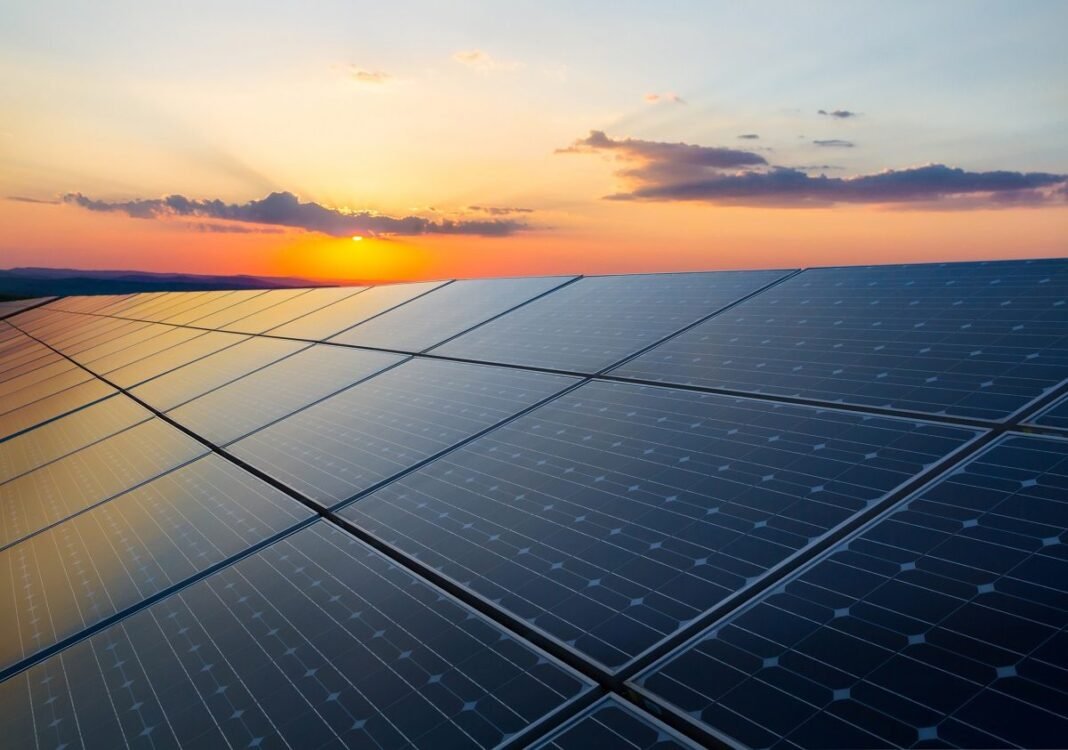
Iraq moves closer to finalizing major solar energy deals with Gulf-based companies. The electricity ministry confirmed progress on agreements with two firms from Saudi Arabia and the UAE. These efforts reflect Iraq’s growing push to boost solar energy in Iraq.
Ahmed Musa, the electricity ministry spokesperson, explained the plan in detail. He said Iraq aims to sign a deal with Saudi Arabia’s ACWA Power. This company will construct a solar plant in Najaf with a 1,000-megawatt capacity. Additionally, Iraq is planning four more plants with Masdar, a UAE-based firm, also totaling 1,000 megawatts.
Masdar and ACWA Power are well-known for clean energy development. Iraq’s decision to work with them shows a shift toward sustainable solutions. Solar energy in Iraq now stands as a central strategy to reduce electricity shortages.
Moreover, Musa noted several solar projects already under construction. These are located in Basra, Muthanna, Karbala, Babel, and Dhi Qar. Together, they form part of a national move to build more renewable capacity.
Iraq suffers from frequent blackouts, especially during hot summer months. Electricity demand often reaches 48,000 megawatts. However, the country produces only about 27,000 megawatts at its peak. Recently, that output dropped to just 23,000 megawatts due to gas shortages.
For years, Iraq has relied heavily on Iranian gas. This dependency created serious risks. US sanctions and supply disruptions have often affected power plant operations. Recently, Washington revoked a key waiver that allowed Iraq to import electricity from Iran.
This policy change forced the government to act fast. Prime Minister Mohammed Shia’ al-Sudani held meetings with top energy officials. They explored options such as tapping into local gas reserves. They also discussed importing electricity from Jordan, Turkey, and Turkmenistan.
The drop in Iranian gas deliveries caused a major setback. According to Musa, Iraq lost about 4,000 megawatts of production. Several power plants stopped working. This loss sharply reduced the country’s ability to meet power demand.
Still, Iraq shows strong commitment to solar energy in Iraq. The upcoming deals with Saudi and Emirati companies could ease future power crises. Iraq plans to keep expanding its solar network to cover more of the national grid.
This step may also help Iraq reduce reliance on unstable foreign sources. More clean energy will likely improve supply and lower environmental impact. With stronger partnerships, Iraq hopes to create a more stable and sustainable energy future.