

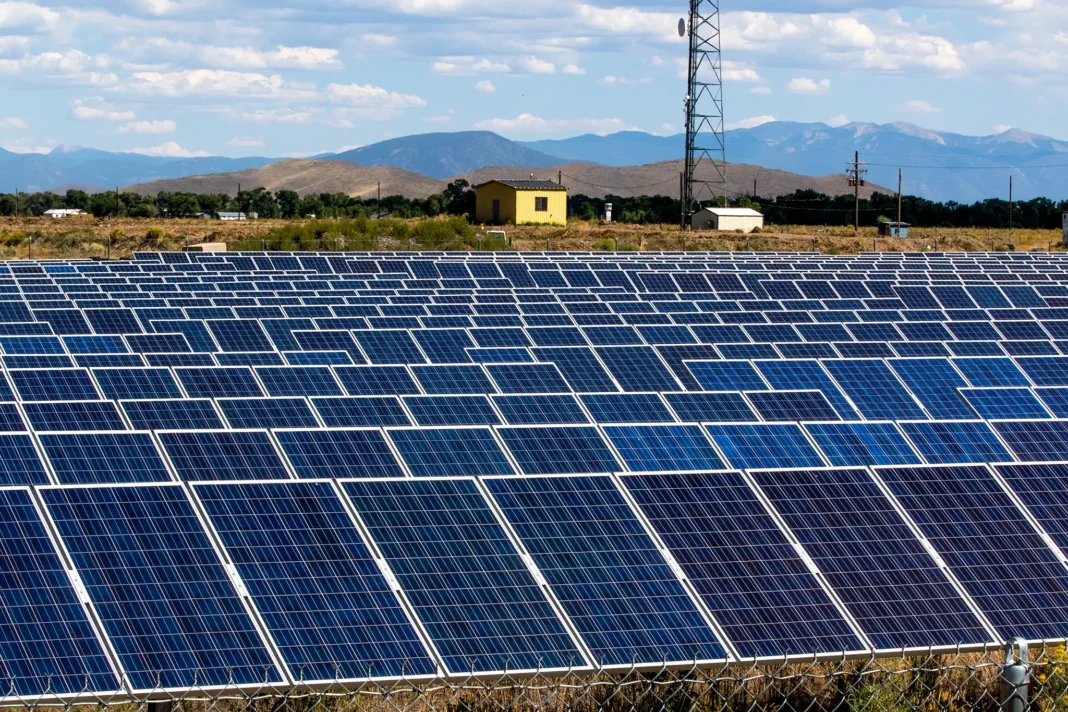
Iraq solar power project boosts government energy shift as officials expand clean electricity in public buildings. This week, the Prime Minister launched a two-megawatt solar power plant. This plant will directly supply power to the government palace in Baghdad.
Moreover, This move marks a major step in Iraq’s renewable energy plan. The solar system powers a central office and symbolizes a national push toward green energy. Officials hope this sends a clear message across sectors.
The Prime Minister stressed that the Iraq solar power project boosts government energy shift. His office confirmed this project forms part of a wider plan. It targets government, industrial, and residential energy users.
In addition, By switching to solar energy, Iraq aims to ease pressure on its strained electricity grid. Furthermore, it helps the country reduce its dependence on traditional fuels. Officials believe solar is key to solving Iraq’s chronic power shortage.
Energy leaders have laid out a multi-phase plan. The Ministry of Electricity and the Ministry of Oil are leading the effort. The first goal is to produce 5,000 megawatts of clean energy. After that, they aim for 12,000 megawatts by 2030.
Furthermore, Iraq’s Oil Minister emphasized solar as a top solution. He noted it will increase supply and meet rising demand. Moreover, this clean energy focus aligns with global climate goals.
Recently, the Prime Minister also revealed Iraq’s plan to join the International Solar Alliance (ISA). This global group promotes solar use and cuts fossil fuel reliance.
More than 120 countries already support the ISA’s mission. Iraq’s membership will enhance global cooperation and show its climate commitment.
Additionally, local industries expect solar growth to create jobs and attract investment. Cleaner air, reduced emissions, and sustainable power are some of the long-term benefits.
Officials say the Iraq solar power project boosts government energy shift and sets an example. They want public institutions to adopt similar systems.
In future phases, more government buildings will receive solar upgrades. This strategy will support broader economic stability and lower electricity costs.
In conclusion, As Iraq invests more in clean power, energy independence becomes a real possibility. Leaders view solar as a bridge to long-term national development.