

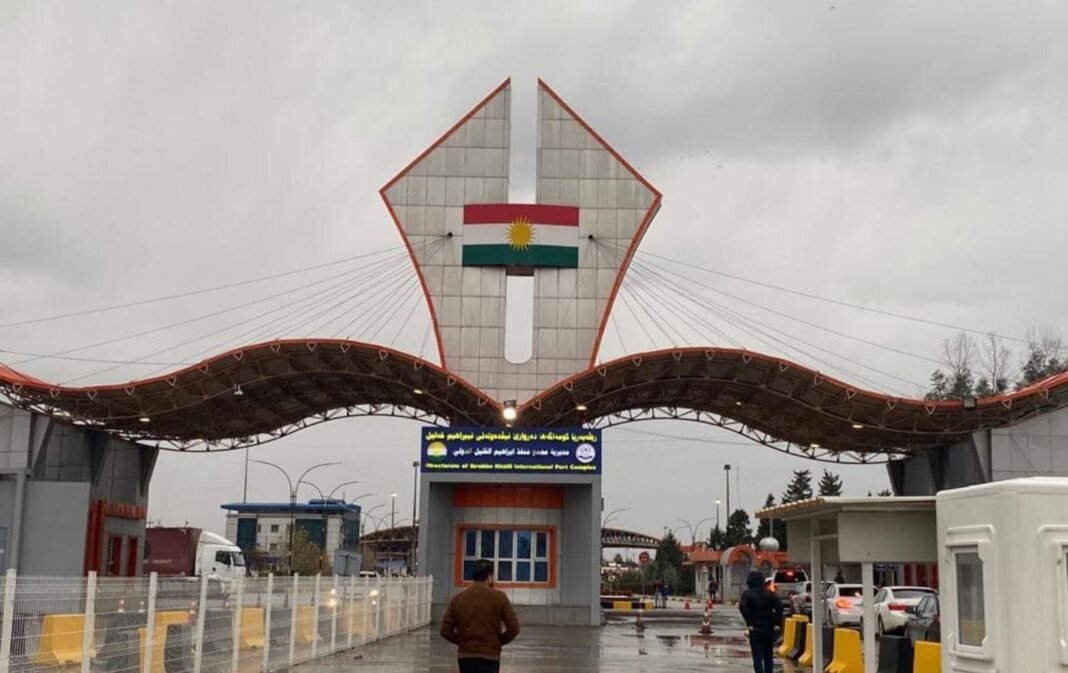
The Baghdad-Erbil trade agreement has given new life to cross-border commerce after weeks of disruption. Both the Iraqi federal government and the Kurdistan Regional Government (KRG) reached a deal to ease recent tensions that had slowed trade to a halt.
Omar al-Waeli, head of Iraq’s Border Crossing Authority, announced that officials from both sides met and agreed on four key points. These new measures will make cargo transfers smoother and reduce pressure on traders in both regions.
First, the agreement extends the time limit for moving cargo from the Kurdistan Region to federal checkpoints. Previously, shipments had to arrive within 72 hours. Now, the deadline has been extended to seven days. This gives transporters more flexibility and reduces the risk of fines or delays.
Second, the new agreement doubles the warehouse storage time. Traders can now store goods for up to 120 days instead of just 60. This change helps reduce pressure on storage facilities, which struggled to keep up with delays in shipments.
Third, the authorities have approved the delivery of goods stored since April 15 to Baghdad-controlled areas. This decision clears the backlog and gives much-needed relief to traders and warehouse owners who faced challenges with unsold stock.
Finally, all trucks must carry QR-coded customs seals. These security seals, placed at the Kurdistan Region’s borders with Turkey and Iran, must remain intact until the cargo reaches federal Iraqi checkpoints.
The Baghdad-Erbil trade agreement came after new federal trade rules were enforced in April. The Central Bank of Iraq had ordered stricter regulations for shipments entering federal Iraq via the Kurdistan Region. Trucks had to follow strict customs seal rules and make deliveries within 72 hours.
These tight restrictions led to warehouse shortages and alarmed traders. By mid-April, permits for transit trucks expired, halting much of the trade between Kurdistan and federal Iraq. As a result, markets in cities like Mosul and Kirkuk began facing supply shortages.
Mustafa Sheikh Abdulrahman, head of the Kurdistan Importers and Exporters Union, warned that storage spaces were filling up quickly. Meanwhile, Turkmen MP Arshad al-Salihi from Kirkuk warned that trade restrictions could soon empty markets in northern provinces.
Salihi criticized the ongoing disputes between Erbil and Baghdad. He urged both sides to protect regular citizens who depend on steady market supplies. “Enough disputes,” he said in a video message, urging leaders to avoid harming people for political disagreements.
In conclusion, the Baghdad-Erbil trade agreement brings three clear outcomes. First, it clears the path for cargo movement. Second, it reduces storage pressure. Third, it calms markets by resuming trade across borders.