

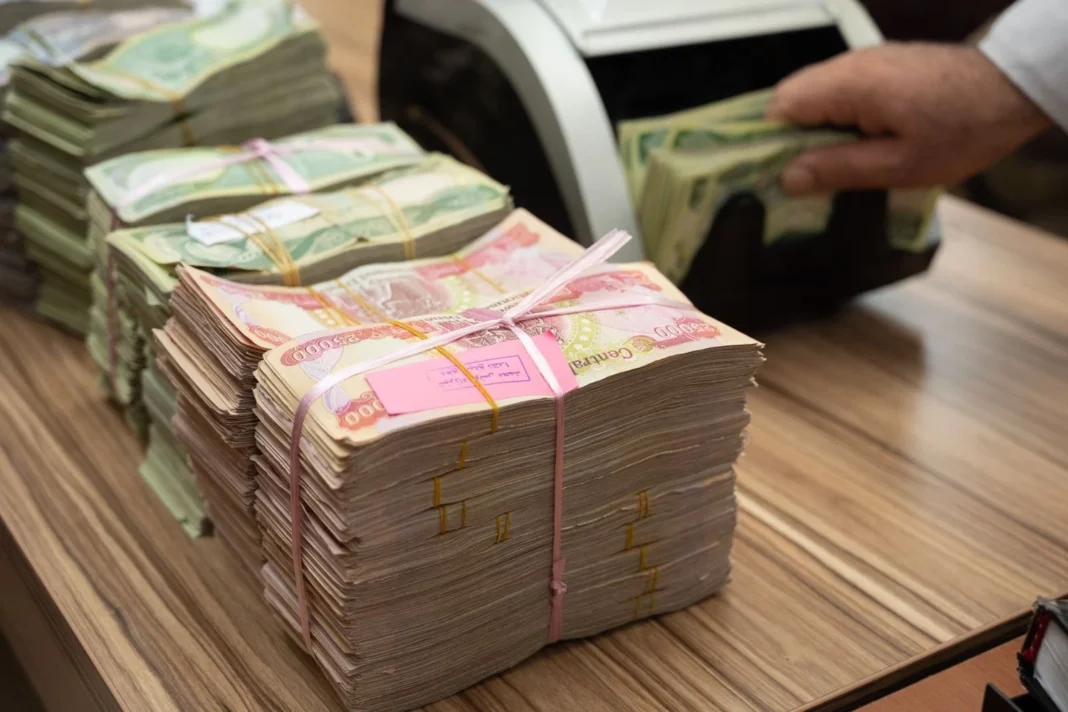
Iraq has launched an Iraq state banks review as financial pressure mounts across government institutions. The move focuses on liquidity, management practices, and possible losses involving public funds. Officials are also examining whether some state banks can support government operations during the current cash shortage.
An informed source said authorities are reviewing several state-owned banks and financial institutions. The review reportedly covers alleged misuse of public money and declining cash reserves. Officials also want to determine whether some bank managers provided senior authorities with inaccurate operational reports.
Government agencies are assessing the performance of individual institutions and their senior management teams. They are also examining recent investigations into cases that may have caused losses to public funds. These reviews could lead to administrative changes or legal action if investigators confirm serious violations.
Cash availability has become a major concern for the government. Several state banks reportedly hold lower reserves than they did previously. That situation has reduced their ability to finance government entities or provide domestic borrowing support.
Authorities are also examining how effectively banks have adopted digital financial systems. Continued dependence on paper-based procedures has raised concerns among officials. They believe stronger electronic systems could improve oversight, reduce errors, and strengthen financial accountability.
Field inspections have reportedly uncovered differences between some official reports and actual banking activity. Investigators are now examining the reasons behind those discrepancies. Officials want clearer information before deciding whether individual managers should remain in their positions.
The Iraq state banks review also comes as public employees face uncertainty over salary payments. A separate source said salary payments could arrive by the end of August or early September. The government has not released a final payment schedule for all state institutions.
Salary payments generally move through government institutions in stages. That process can take several days, particularly when available funding remains limited. Low cash levels at some state banks have added pressure to an already difficult financial situation.
The latest measures form part of a wider effort to improve governance within Iraq’s financial sector. Officials are looking at management performance, liquidity levels, digital transformation, and financial reporting. The Iraq state banks review could therefore lead to broader changes across state-owned financial institutions.
For now, the focus remains on identifying financial weaknesses and improving institutional efficiency. Authorities also appear determined to establish where public funds may have been lost. The outcome could shape management decisions and financial reforms during the coming weeks.