

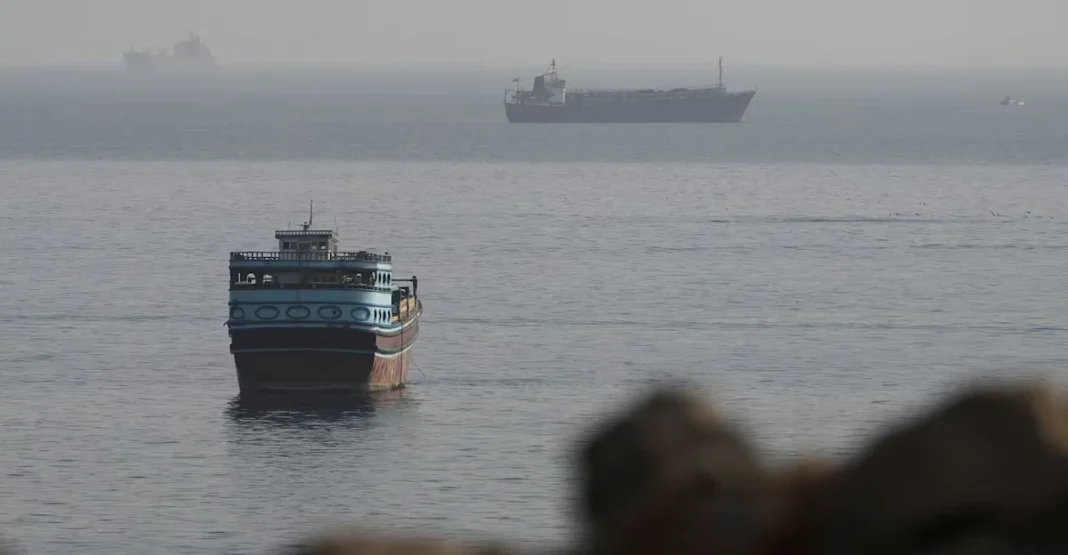
Iraq’s SOMO and QatarEnergy have opened unusual crude tenders tied to the Strait of Hormuz. The Hormuz crude tenders require buyers to arrange cargo loading within the strategic waterway. Traders said the move reflects changing conditions around crude movements in the region.
SOMO, Iraq’s state oil marketing company, offered September cargoes of Basrah Medium and Basrah Heavy crude. Buyers can load the barrels from Iraq’s Basrah oil terminal or its single-point mooring facilities. The tender also covers related facilities used to handle and transfer the crude.
The offer gives international buyers another route to secure Iraqi crude. However, the loading requirement places added importance on shipping arrangements. Traders active in the Middle Eastern crude market provided details about the tender.
QatarEnergy has also offered several crude grades through a similar tender process. The Qatari energy company is marketing Al-Shaheen, Qatar Marine, and Qatar Land crude. The cargoes cover loading during September and October, according to trading sources.
Buyers must take the Qatari crude on a free-on-board basis at the relevant loading ports. Under that arrangement, the buyer assumes responsibility for the cargo after it reaches the agreed loading point. Shipping and logistics therefore become key considerations for potential buyers.
The Hormuz crude tenders stand out because loading inside the Strait has become an unusual feature. The waterway serves as a critical passage for global oil shipments. Any disruption or uncertainty around maritime traffic can quickly affect crude supply chains and freight planning.
The tenders also highlight the importance of flexible shipping strategies for Middle Eastern crude buyers. Companies must consider vessel availability, routing, insurance, and operational conditions before committing to cargoes. Those factors can influence the final economics of each shipment.
SOMO’s Basrah grades remain important exports for Iraq’s oil industry. Basrah Medium and Basrah Heavy serve different refinery configurations because of their crude qualities. Their availability through the tender gives refiners another opportunity to secure Middle Eastern supply.
Qatar’s crude grades likewise attract buyers across international markets. Al-Shaheen is a widely traded Qatari grade, while Qatar Marine and Qatar Land add further options. The range of grades allows buyers to assess cargoes against their refinery needs.
The tender process remains open through August 25, according to the trading sources. Market participants will likely watch the results closely for signs of buyer interest. They may also assess whether the loading terms affect premiums and shipping costs.
The Hormuz crude tenders could provide useful signals about current trading conditions. Buyers may weigh supply opportunities against operational risks surrounding the loading locations. The outcome could therefore offer broader insight into regional crude trading sentiment.
For Iraq and Qatar, the tenders create an opportunity to place additional crude with international buyers. For refiners and traders, they offer access to cargoes under specific loading conditions. The next stage will depend on bids, shipping arrangements, and market demand.