

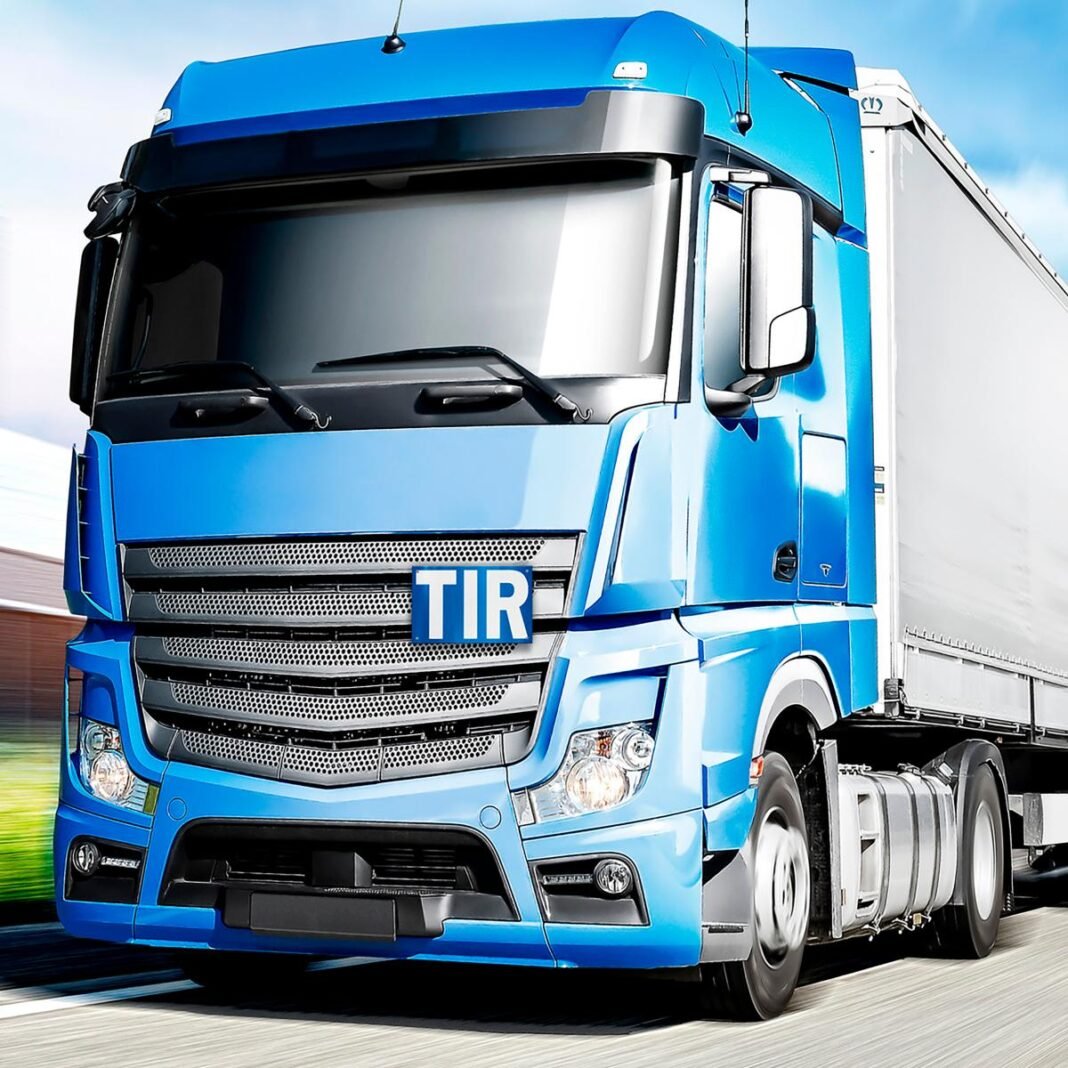
Iraqi trucks have started operating under the international TIR transit system for the first time. The move allows Iraqi carriers to join cross-border routes previously dominated by foreign transport companies. Officials say the development could strengthen Iraq’s role as a regional trade corridor.
Iraqi TIR transit has already recorded more than 5,000 journeys across Iraqi territory. The General Company for Land Transportation provided the latest figures. The system connects Iraq with more than 79 countries through an internationally recognized freight network.
Iraqi trucks have begun carrying cargo from Saudi Arabia through the Arar border crossing. Their routes extend toward Central Asian markets. Officials see the new operations as an opportunity to generate additional revenue from Iraq’s geographic position.
The TIR system provides a unified framework for international road transport. It allows goods to cross several borders using a single customs guarantee. This approach can reduce paperwork, customs procedures, and delays at border crossings.
Iraqi TIR transit could therefore make cross-border freight faster and more predictable. Transport companies can move cargo through multiple countries under standardized procedures. The system also provides customs authorities with a structured mechanism for monitoring international shipments.
Iraq joined the TIR network in cooperation with the International Road Transport Union. The partnership aims to simplify customs procedures and improve freight movement through Iraqi territory. It also supports the country’s efforts to increase its participation in regional trade.
The Transport Ministry has already signed transport agreements with several neighboring countries. These include Saudi Arabia, Jordan, Syria, Iran, and Türkiye. Armenia, Poland, and several Gulf countries are also pursuing similar arrangements with Baghdad.
The expanding network could give Iraqi trucking companies greater access to international markets. Local carriers can potentially compete for routes that previously relied on foreign companies. This could create new commercial opportunities for Iraq’s transportation sector.
Officials also see the Development Road project as a major long-term opportunity. The project could increase the movement of goods through Iraq between regional and international markets. Greater freight traffic could generate additional income for transport companies and border facilities.
Iraqi TIR transit also supports Iraq’s broader efforts to modernize its customs system. Faster border procedures can reduce transportation costs for businesses. They can also make Iraqi routes more attractive to international logistics companies.
The country fully activated the TIR system earlier this year, according to Transport Ministry officials. Authorities have opened seven international trade corridors during the past eight months. The expansion has created additional options for companies moving goods through Iraq.
The development comes as Iraq seeks to strengthen its position between the Gulf, Türkiye, Iran, and Central Asia. Its geographic location gives it access to several important regional markets. Better transport infrastructure could help turn that location into a significant economic advantage.
However, the success of the system will depend on efficient border management. Customs agencies need to maintain consistent procedures across international crossings. Transport companies will also need reliable infrastructure and competitive operating conditions.
The entry of Iraqi trucks into TIR routes marks an important change for the country’s logistics industry. Local carriers can now participate more directly in international freight networks. If the network continues expanding, Iraq could increase its role as a regional transit hub.