

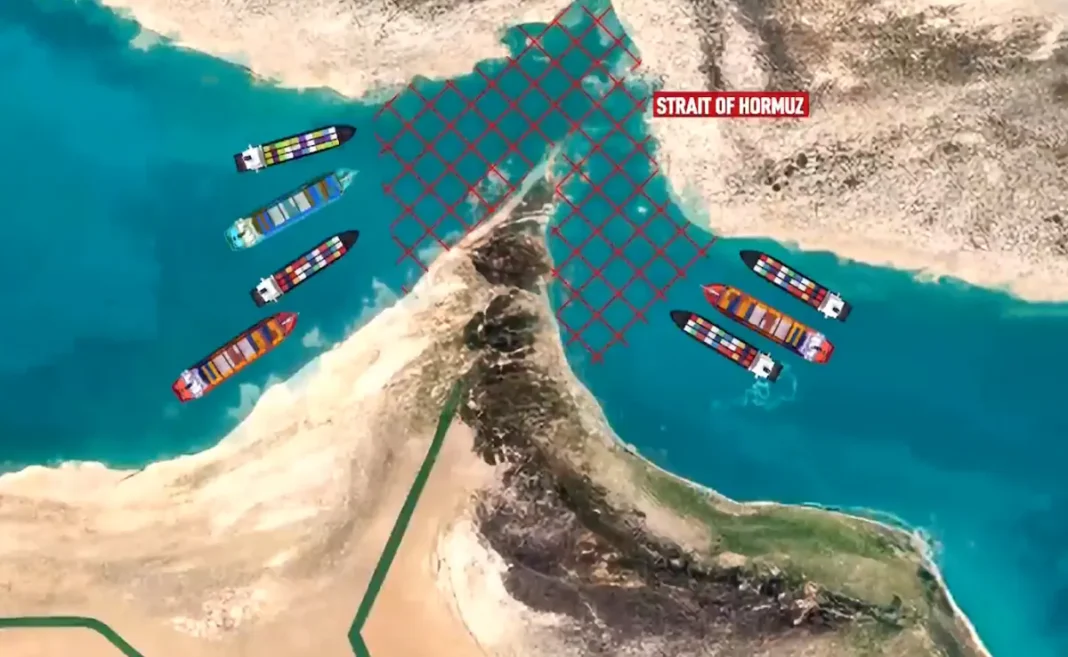
The United States has raised strong concerns about global trade routes. Strait of Hormuz economic weapon concerns rise as tensions with Iran continue to shape regional dynamics.
Marco Rubio described the Strait of Hormuz as a powerful economic tool. He warned that Iran could use it to pressure global markets. Strait of Hormuz economic weapon concerns rise as energy routes face uncertainty.
Moreover, Rubio explained that the situation depends on decisions by Donald Trump. He noted that current sanctions already place heavy pressure on Iran. However, he suggested that more measures remain possible if talks fail.
In addition, Rubio stated that Iran seeks a way out of its current crisis. He argued that existing economic and political challenges have intensified. Therefore, Iran faces increasing pressure both internally and externally.
Furthermore, Rubio claimed that Iran’s military capacity has weakened. He said missile numbers have dropped by half. He also noted reduced industrial and naval capabilities. These claims reflect ongoing tensions and competing narratives.
At the same time, the Strait of Hormuz remains critical for global energy flows. A large share of the world’s oil passes through this narrow route. Therefore, any disruption could quickly impact global markets and prices.
Strait of Hormuz economic weapon concerns rise because control over this route offers major leverage. Countries depend on stable shipping lanes for energy security. As a result, even small disruptions can trigger global reactions.
Meanwhile, Rubio addressed U.S. maritime actions in the region. He clarified that the United States targets Iranian shipping rather than global trade. He argued that these measures aim to prevent unfair control over the waterway.
However, tensions continue to create uncertainty for investors and governments. Markets closely watch developments in the Gulf region. Energy prices often react quickly to any sign of escalation.
Strait of Hormuz economic weapon concerns rise as geopolitical risks remain unresolved. Experts warn that prolonged instability could affect trade, energy supply, and global economic growth.
Overall, the situation highlights the strategic importance of the Strait of Hormuz. It also underscores the link between geopolitics and global energy markets.