

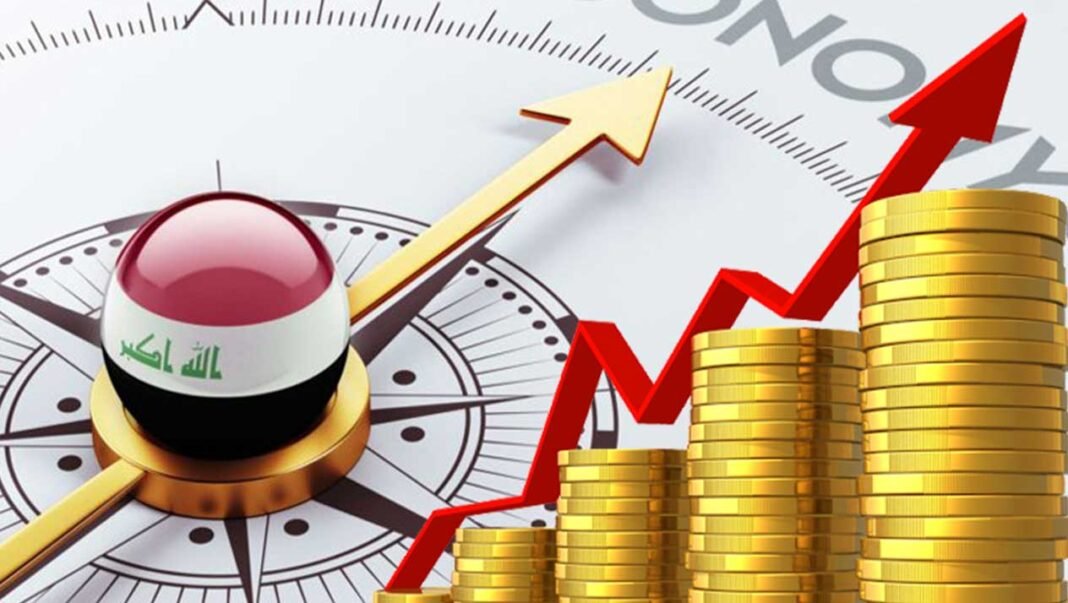
In 2024, five Arab countries—UAE, Saudi Arabia, Egypt, Iraq, and Algeria—accounted for 72% of the region’s GDP, which surpassed $3.6 trillion, according to a new report from the Arab Investment & Export Credit Guarantee Corporation (Dhaman) released on Sunday.
The report highlights that the Arab economy is set to grow by 4.1% in 2025, driven by strong performances in 14 countries, including nine oil producers, which collectively contribute about 78% of the total GDP.
Despite economic challenges, the region saw a boost in oil and gas export revenues, though crude oil production dropped by 4%, and growth was uneven across the region.
Iraq remains a key player in the Arab economy, with oil exports as its primary revenue source, though efforts to diversify income and increase investments in other sectors are ongoing.
Per capita income in the Arab world reached $7,557 in 2024, with a modest increase expected to $7,602 in 2025. The region’s population grew by 2%, surpassing 467 million.
Inflation in the region hit 12% last year but is expected to ease to 8.5% in 2025. Unemployment increased to 9.7%.
Arab foreign trade grew by 3.6%, reaching $3.3 trillion, with a 1% rise in exports and a 7% jump in imports.
Foreign exchange reserves across Arab countries grew by 3.7%, reaching $1.2 trillion, covering over eight months of imports. Government debt decreased to 48.3% of GDP, with further reductions projected to 47.6% in the next year.