

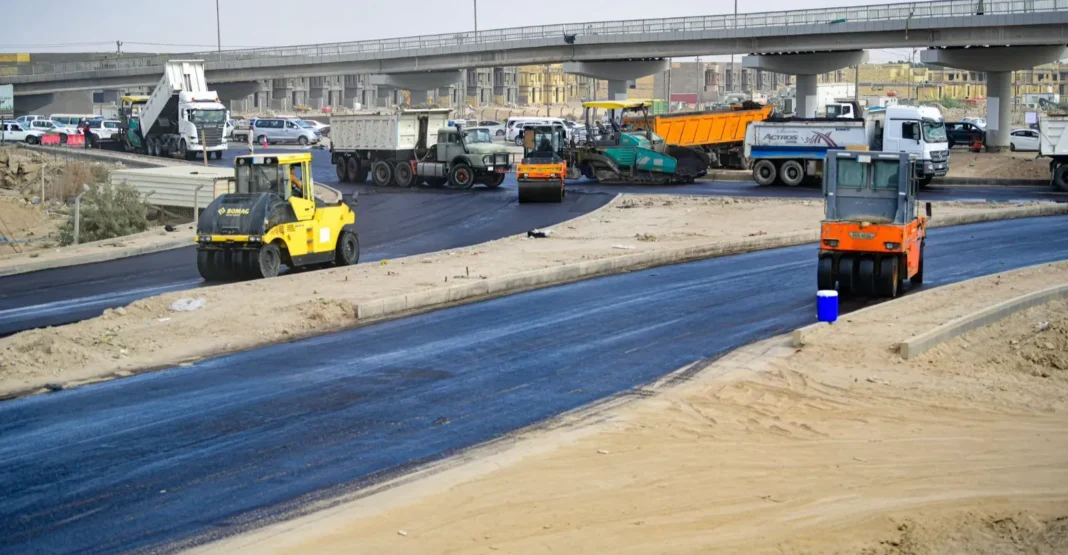
Iraq continues struggling with stalled development activity in Najaf. Therefore, local officials raised serious concerns about unfinished infrastructure. Moreover, delayed contracts continue blocking progress across key sectors. As a result, Iraq Najaf project delays now affect daily services and long term planning.
Provincial leaders reported that many contracts reached expiration without completion. Consequently, construction sites remain inactive across the governorate. In addition, financial values tied to these projects exceed tens of billions of dinars. This situation places heavy pressure on local development goals.
Najaf currently manages a large number of service projects. Therefore, authorities attempt to balance priorities carefully. Moreover, projects span city centers and surrounding districts. In addition, some works reached partial completion. However, others stopped at early stages.
Infrastructure projects cover several essential services. Consequently, road paving represents a major portion. Moreover, bridge construction also remains critical. In addition, sewage and water networks require urgent upgrades. Electricity systems and street improvements also appear among priorities.
One of the most significant delays involves water supply infrastructure. Therefore, residents face long standing service shortages. Moreover, officials describe this project as central to urban stability. In addition, the project timeline stretched across many years. These delays illustrate structural challenges.
The Ministry of Municipalities oversees some of the largest contracts. Consequently, coordination issues slow execution. Moreover, administrative complexity increases delays. In addition, funding gaps worsen outcomes. These factors combine to stall progress.
Najaf increasingly relies on alternative funding sources. Therefore, airport revenue plays a growing role. Moreover, authorities direct these funds toward critical infrastructure. In addition, projects near the airport gained priority. This approach reflects financial adaptation.
Airport related infrastructure received strong attention. Consequently, overpasses and access roads advanced. Moreover, extended routes toward Kufa gained support. In addition, key urban streets received upgrades. These efforts aim to reduce congestion.
Municipal authorities continue working on road expansion. Therefore, resurfacing projects appear across several neighborhoods. Moreover, teams focus on traffic flow improvement. In addition, public safety benefits from smoother roads. These improvements support mobility.
Despite these efforts, approval of new projects remains frozen. Consequently, development momentum slows significantly. Moreover, officials report no new approvals for several months. In addition, planning pipelines remain empty. This pause affects future service delivery.
Budget uncertainty drives much of the delay. Therefore, financial allocations remain unavailable. Moreover, district level priorities wait for funding. In addition, planning cycles suffer disruption. This instability undermines confidence.
Officials expect delays to continue. Consequently, timelines stretch further. Moreover, contractors hesitate to resume work. In addition, material costs fluctuate. These conditions increase total project costs.
Residents feel the impact directly. Therefore, service gaps persist. Moreover, urban growth strains existing infrastructure. In addition, public frustration rises. Community needs continue growing.
Local leaders call for urgent financial solutions. Consequently, they urge faster budget approval. Moreover, they seek flexible funding mechanisms. In addition, coordination with central authorities becomes critical. Action could unlock stalled works.
Iraq Najaf project delays highlight broader national challenges. Therefore, infrastructure planning requires stability. Moreover, funding consistency supports execution. In addition, oversight ensures accountability. These elements shape sustainable development.
Economic growth depends on functional infrastructure. Consequently, delays affect business activity. Moreover, transport and utilities support commerce. In addition, investor confidence relies on progress. Development speed matters.
Authorities continue monitoring the situation closely. Therefore, reports guide decision making. Moreover, transparency informs public debate. In addition, dialogue may speed solutions. Progress depends on cooperation.
Iraq Najaf project delays remain a pressing issue. Consequently, leaders must act decisively. Moreover, restoring funding flows stands as a priority. In addition, communities await results. Resolution would restore momentum.