

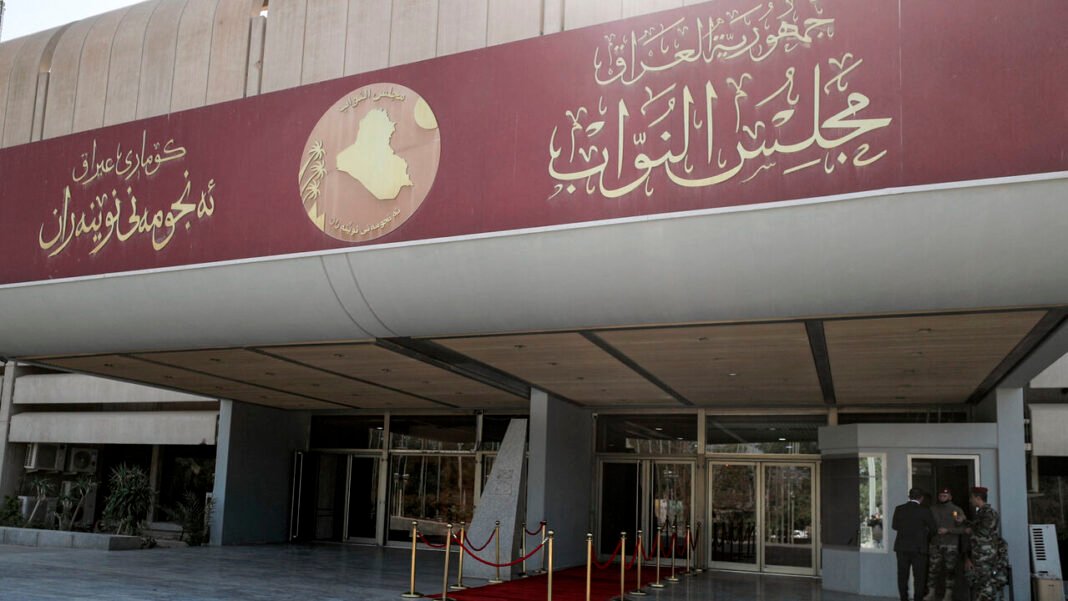
Iraq faces a deepening water crisis that threatens daily life and national stability. Therefore, lawmakers now push urgent discussions about river water flows. Moreover, officials seek stronger leverage during negotiations with Turkey. Consequently, water policy has become a top political priority.
The Iraqi parliament plans a dedicated session to address water shortages nationwide. Furthermore, members will review all agreements related to shared rivers. Iraq Turkey water talks now dominate parliamentary debate. As a result, water security stands at the center of national decision making.
Lawmakers express serious concern about declining water reaching farms and cities. Consequently, agricultural production continues to suffer across many regions. In addition, reduced river levels threaten drinking water supplies. Therefore, officials warn of economic and social risks.
Parliament members believe economic influence can strengthen water negotiations. Specifically, Iraq maintains strong trade relations with Turkey. These trade exchanges exceed fifteen billion dollars annually. As a result, lawmakers see trade as a powerful pressure tool.
Several members argue that Iraq must reassess regional trade policies. They stress that water rights must guide economic decisions. Moreover, they call for firm and realistic solutions. Iraq Turkey water talks now include economic leverage alongside diplomacy.
Ministers responsible for foreign relations and water policy will attend the session. They will answer detailed questions about regional cooperation. Additionally, lawmakers prepared many inquiries about drought and shortages. Therefore, accountability stands as a central goal.
Officials want clear commitments and measurable outcomes from negotiations. They also seek stronger diplomatic engagement with neighboring countries. Thus, discussions will focus on long term water security strategies. Lawmakers aim to protect farms, cities, and industries.
Iraq demands increased water flows from shared rivers. Leaders emphasize the need to support agriculture and public services. Therefore, they insist on guaranteed and stable river releases. Water access remains vital for economic resilience.
Some lawmakers criticize earlier agreements with Turkey. They argue those deals failed to protect Iraq’s interests. As a result, parliament plans a full review of past commitments. Transparency and fairness guide this reassessment.
Earlier proposals suggested joint water management mechanisms. However, many officials raised serious concerns. They fear reduced national control over water resources. Consequently, lawmakers now approach such proposals cautiously.
Turkey recently promised additional water releases. Still, Iraqi leaders seek long term guarantees. They want predictable access every year. Stability remains more important than temporary solutions.
Climate change continues to worsen Iraq’s water situation. Rising temperatures increase evaporation and drought risks. Meanwhile, upstream dam projects reduce river flows. Therefore, pressure on Iraq’s water system keeps rising.
Population growth further increases domestic water demand. Cities and farms compete for limited resources. Thus, water security has become a national survival issue. Iraq Turkey water talks reflect these urgent realities.
The upcoming discussions may reshape Iraq’s regional strategy. Trade, diplomacy, and water policy now intersect closely. Therefore, parliament hopes dialogue can secure Iraq’s future resources.