

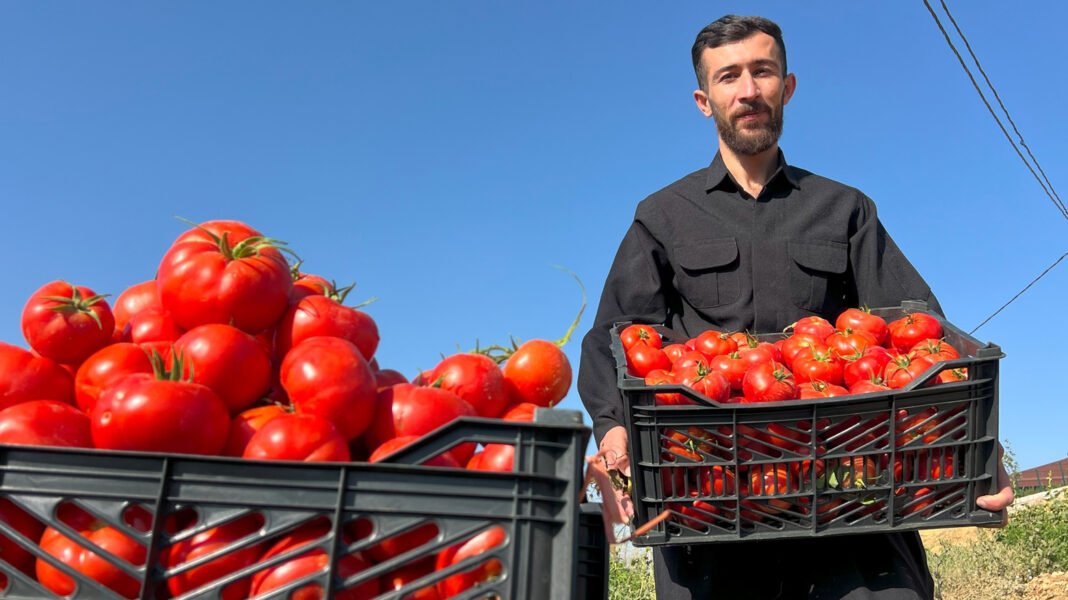
Iraq’s Iraq tomato imports fell sharply in 2025, reaching their lowest level in five years, according to international trade figures. The latest data shows a significant decline in the value of imported fresh and chilled tomatoes. The trend highlights a major shift in Iraq’s agricultural import market after several years of fluctuating demand.
Trade statistics show that Iraq imported fresh and chilled tomatoes worth $7.542 million during 2025. In comparison, the country spent $15.359 million on the same products in the previous year. This represents a decline of approximately 50.9%, marking one of the steepest annual drops recorded in recent years.
The figures also reveal a broader pattern in Iraq’s tomato trade over the past five years. Import values have moved up and down as market conditions, local production, and consumer demand changed. Despite those fluctuations, the latest numbers place imports at their lowest point during the period.
In 2021, Iraq imported tomatoes valued at $163.719 million. Imports then declined to $115.199 million in 2022. The market recovered in 2023, when purchases increased to $156.574 million before entering another downward trend that continued into 2025.
The sharp decline could reflect stronger domestic agricultural production, changing market demand, or tighter import activity. Increased local harvests often reduce the need for imported vegetables, especially during seasons with favorable growing conditions. Government measures supporting local farmers may also contribute to lower import volumes.
At the same time, changing consumer behavior and supply chain adjustments can influence import levels. Traders often respond to local production by reducing overseas purchases when domestic supplies remain sufficient. This approach can lower import costs while supporting local agricultural markets.
Lower imports may also affect regional trade flows, particularly with neighboring countries that traditionally export fresh produce to Iraq. Suppliers could face reduced demand if Iraqi markets continue relying more heavily on domestic production. Future trade data will provide a clearer picture of whether this trend continues.
Agricultural experts will likely monitor production levels throughout the coming seasons. Weather conditions, water availability, and farming costs will remain important factors influencing future import decisions. Stable domestic harvests could help Iraq maintain lower dependence on imported tomatoes.
Although the latest figures indicate a substantial reduction, import levels may change again if local production weakens or consumer demand increases. Seasonal shortages or supply disruptions could also encourage additional purchases from international markets. As a result, annual trade values often reflect both agricultural performance and market conditions.
For now, the latest trade statistics confirm that Iraq tomato imports have dropped to their lowest level in five years. The decline marks a notable change in the country’s food import patterns and could signal growing reliance on domestic agricultural output. Market observers will continue watching whether Iraq tomato imports remain at similar levels in the years ahead.