

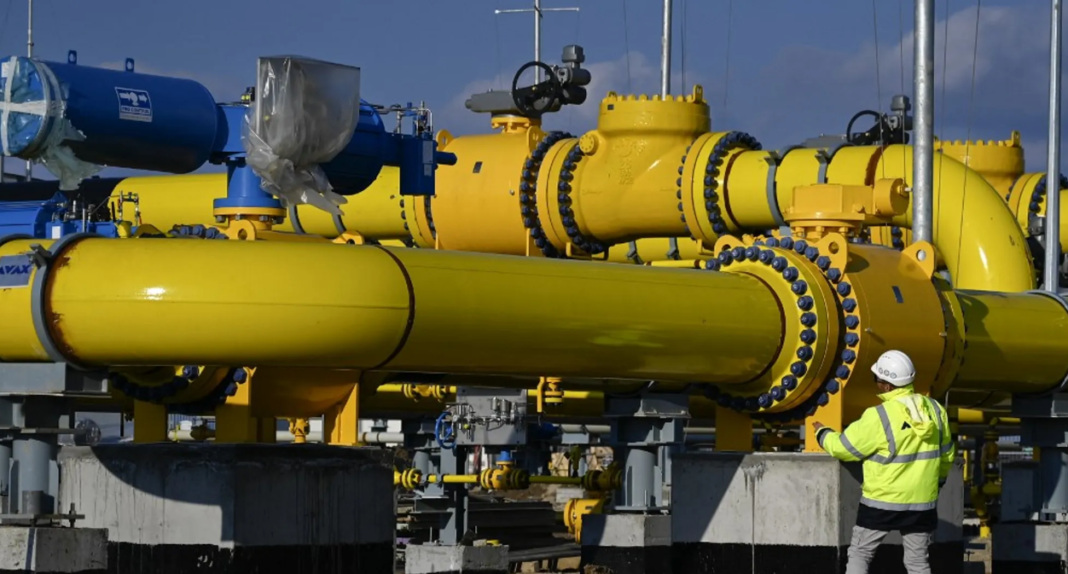
Iraq is facing an energy crisis following the United States’ decision not to renew waivers for Iranian electricity imports, a move that could severely impact Iraq’s power grid. While gas imports from Iran are technically exempt from the sanctions, Iraq remains vulnerable, as US authorities could still impose sanctions on Iraq’s payment mechanisms if they violate US sanctions. Iraq relies on Iran for 22% of its total gas and electricity imports, making the country heavily dependent on Iranian energy sources.
Iman Nasseri, FGE’s Middle East managing director, emphasized that any disruption to gas imports could have a significant impact on Iraq’s energy supply chain. Ahmed Moussa, spokesperson for Iraq’s Ministry of Electricity, warned that the loss of Iranian gas could reduce the country’s power grid capacity by over 30%. The risk of widespread electricity shortages could spark protests, particularly in Basra, where power outages have previously triggered unrest.
To mitigate the impact, Iraq is seeking alternative energy solutions. FGE’s analysis suggests that the country could transition from gas to liquid fuels as a temporary measure. Iraq has already requested the Oil Ministry to increase fuel oil supplies from 35,000 barrels per day to 100,000 barrels per day in an effort to maintain energy production.
Additionally, the government is working to expand grid connections with Saudi Arabia and accelerate investment in associated gas to reduce its reliance on Iranian imports. These moves are part of Iraq’s broader strategy to diversify its energy sources and reduce vulnerability to external pressures.
The US decision to cut the waivers is part of President Donald Trump’s “maximum pressure” campaign against Iran, aimed at curbing Iran’s nuclear development and regional influence. US National Security Advisor Mike Waltz emphasized that sanctions will continue to increase unless Iran halts its nuclear weapons ambitions and support for terrorism across the region, including in Iraq.
Waltz also urged Iraq to strengthen its partnerships with US energy firms and resolve the ongoing disputes with the Kurdistan Regional Government (KRG) regarding the reopening of the Iraq-Turkey pipeline, which has been closed for two years due to disagreements between Baghdad and Erbil. Despite two rounds of talks between the two parties, no resolution has been reached, although there remains hope for a potential compromise.
As Iraq seeks alternatives to Iranian energy, the pressure to resolve internal and external conflicts continues to mount. The country faces a precarious energy future as it navigates these challenges.