

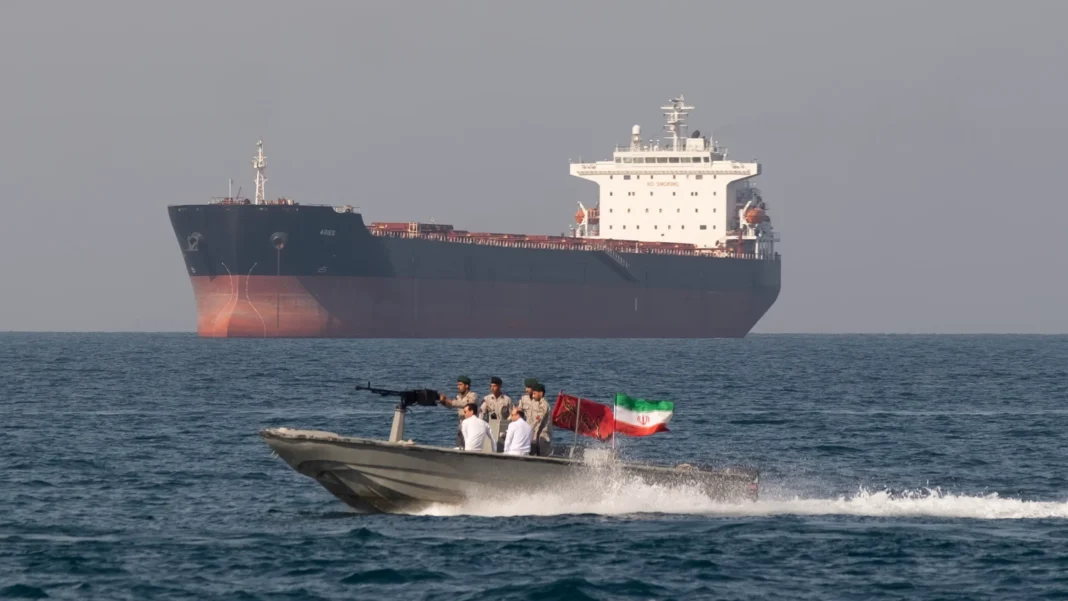
Iraq faces disruption as Iraq’s oil supply crisis leaves 43 million barrels stranded near Hormuz. Shipping delays and security risks now block exports. The situation adds pressure on Iraq’s energy sector and global markets.
First, shipping data shows a major buildup of crude oil. Around 163 million barrels of Gulf oil remain stuck west of the Strait of Hormuz. This includes 43 million barrels of Iraqi oil. Therefore, export flows face serious disruption.
Moreover, maritime traffic slowed due to security threats. Several shipping companies reduced or delayed voyages. As a result, tanker congestion increased across the region.
In addition, recent attacks worsened the situation. Four commercial vessels faced assaults, raising concerns among operators. An attack also targeted the Fujairah oil terminal. These events pushed insurance and shipping costs higher.
Furthermore, Iraq struggles with limited storage capacity. The country cannot store large volumes for long periods. Therefore, delayed shipments create additional economic pressure.
Meanwhile, Iraq depends heavily on Gulf export routes. It lacks sufficient alternative pipelines or outlets. Consequently, disruptions near Hormuz directly affect national revenue.
At the same time, global responses continue. Donald Trump announced a military initiative to secure shipping lanes. The operation aims to protect vessels and crews. However, tensions increased after warnings from Iranian forces.
As a result, geopolitical risks remain high. Any escalation could worsen the shipping crisis. Therefore, markets monitor developments closely.
In addition, Iraq’s production levels dropped sharply. Output fell to about 1.2 million barrels per day. Previously, production reached around 4.3 million barrels per day.
Moreover, exports declined significantly. Shipments dropped to about 600,000 barrels per day. Earlier levels stood near 3.56 million barrels per day. This sharp fall reflects the severity of disruptions.
In conclusion, Iraq’s oil supply crisis leaves 43 million barrels stranded near Hormuz highlights deep energy challenges. Iraq’s oil supply crisis leaves 43 million barrels stranded near Hormuz signals ongoing risks to exports and revenue.