

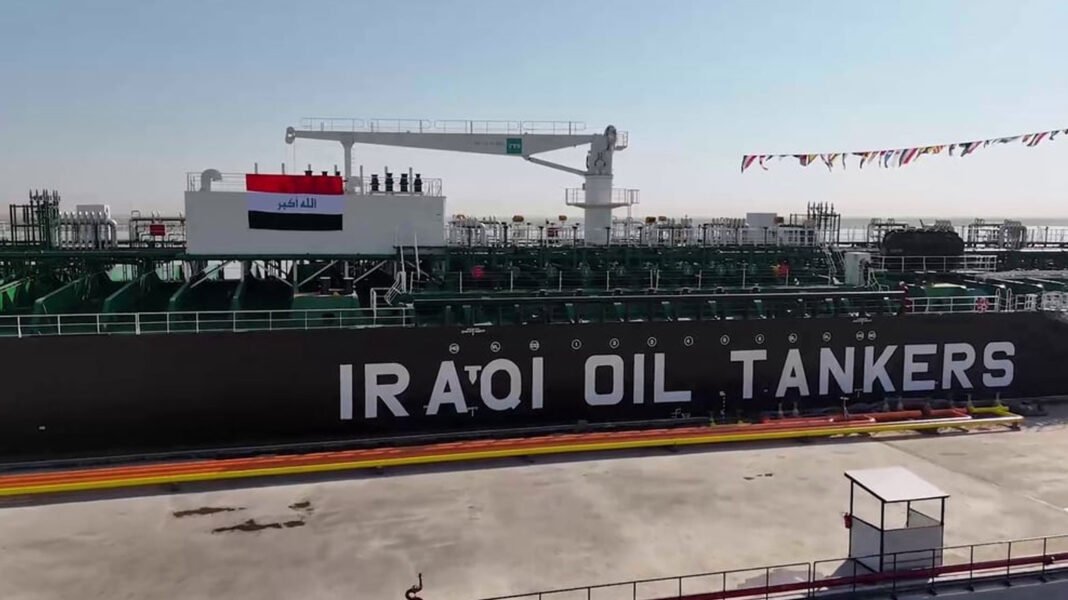
Iraq’s oil exports to the U.S. show a sharp weekly rise of 147,000 barrels per day. Iraq’s oil exports surge to the U.S., which also reflects a strong recovery from a low base. Moreover, the Iraq oil exports surge to the U.S. highlights shifting global supply flows.
In Iraq, crude shipments to the United States increased significantly in the past week. Data from the U.S. Energy Information Administration showed exports rose by 147,000 barrels per day.
As a result, Iraqi exports reached an average of 195,000 barrels per day. In contrast, the previous week recorded only 48,000 barrels per day. Therefore, the increase marked a strong weekly jump in supply.
Meanwhile, total U.S. crude imports from major suppliers declined sharply. Imports dropped by 1.386 million barrels per day. They fell from 6.622 million barrels per day to 5.236 million barrels per day.
Despite this drop, Canada remained the largest supplier to the U.S. market. Canadian exports reached 3.974 million barrels per day. Venezuela followed with 310,000 barrels per day, while Mexico supplied 292,000 barrels per day.
In addition, Colombia exported 191,000 barrels per day to the U.S. Ecuador contributed 100,000 barrels per day. However, the U.S. did not import any oil from Libya, Brazil, or Nigeria during the same period.
This shift shows how supply sources change quickly in global energy markets. Iraq increased its share while overall imports declined. Therefore, Iraqi oil gained more visibility in the U.S. market.
Recent data also shows that Iraqi exports often fluctuate weekly. For example, exports reached 270,000 barrels per day in a recent week before falling again. These changes reflect demand shifts and shipping conditions.
Furthermore, Iraq continues to expand its role in the global oil supply. The country benefits from strong production capacity and strategic export routes. Consequently, it can respond quickly to market needs.
In conclusion, Iraq strengthened its oil trade position with the United States. The sharp weekly increase highlights flexibility in exports. It also confirms Iraq’s growing role in global energy markets.