

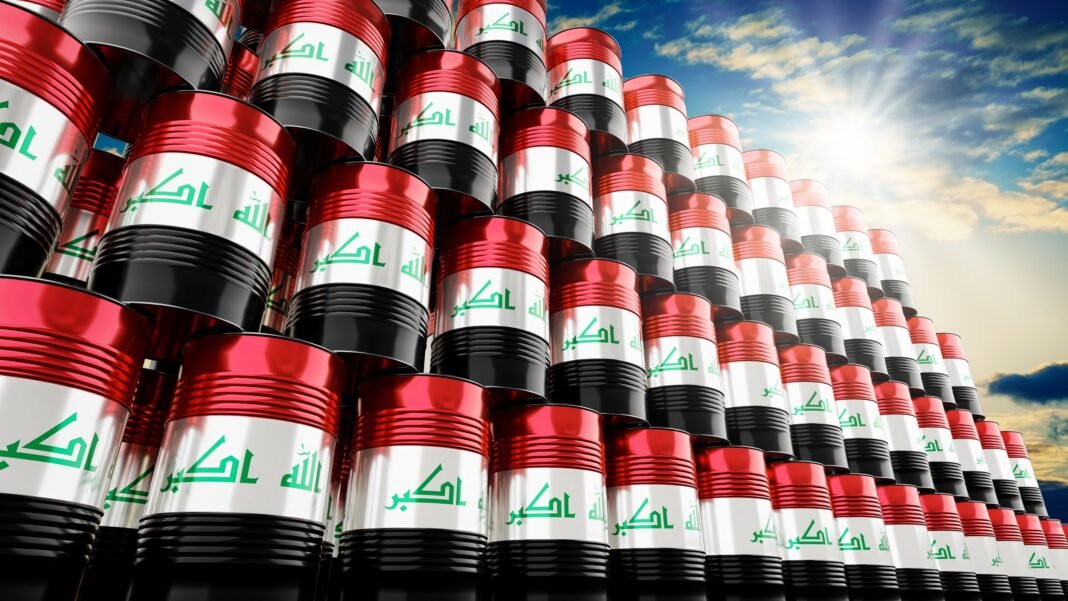
Iraq oil exports recorded very strong performance across the year. Therefore, energy authorities highlighted stable output and logistics strength. Moreover, global demand supported continuous shipments. As a result, Iraq oil exports exceeded 1,243,496,885 barrels.
On average, exports reached 103,624,740 barrels per month. In addition, daily exports reached about 3,454,000 barrels per day. Consequently, Iraq maintained its role as a major crude supplier. These figures showed consistent operational capacity.
Most Iraq oil exports came from central and southern fields. These areas shipped 1,113,920,778 barrels through southern ports. Therefore, Basra terminals handled the majority of exports. Their performance ensured uninterrupted loading.
Exports from northern areas also contributed. The Kurdistan Region supplied 19,416,124 barrels. Meanwhile, the Qayyarah field added 7,287,628 barrels. Thus, multiple regions supported national export totals.
Iraq oil exports generated large revenues for the country. Total earnings reached $69.4 billion during the reporting period. Therefore, oil income continued supporting the national budget. Moreover, revenues funded public services and infrastructure.
Asian markets received the largest share of shipments. Around 70% of Iraq oil exports moved through Gulf ports toward Asia. Consequently, Asia remained the main destination. This trend reflected strong regional energy demand.
China and India ranked among the top buyers. Their refineries absorbed significant volumes of Iraqi crude. Moreover, long term trade ties supported stable purchases. This relationship strengthened export reliability.
Europe and the United States also received Iraqi oil. However, volumes remained smaller than Asia. Therefore, export strategies focused mainly on eastern markets. This focus improved shipping efficiency.
Export figures remained close to previous performance. In the prior year, Iraq exported about 1.23 billion barrels. Consequently, output levels showed stability. Minor changes did not disrupt supply chains.
Production levels supported these exports. Iraq produced an average of 4.19 million barrels per day. This level stayed slightly below 4.28 million barrels per day recorded earlier. Nevertheless, exports remained strong.
Southern oil fields maintained steady production. Operators managed output carefully. Moreover, maintenance programs reduced downtime. These efforts supported consistent exports.
Ports and shipping operations worked smoothly together. Supertankers loaded crude without major delays. Therefore, delivery schedules stayed reliable. Buyers benefited from predictable supply.
Iraq oil exports also supported employment. Energy operations created thousands of jobs. In addition, port activity boosted local economies. These benefits extended beyond oil fields.
Export management remained coordinated. Sales planning balanced demand and capacity. Consequently, pricing stayed competitive. This approach helped maintain market share.
Northern export contributions added flexibility. Although volumes remained smaller, they diversified supply sources. Therefore, Iraq reduced reliance on single regions. This balance improved resilience.
Energy analysts expect continued strong demand. Asian growth supports Middle Eastern exporters. As a result, Iraq oil exports may remain high. Infrastructure capacity supports future shipments.
Overall, Iraq oil exports demonstrated strength and consistency. High volumes, strong revenues, and stable demand shaped performance. Therefore, oil remained central to the economy