

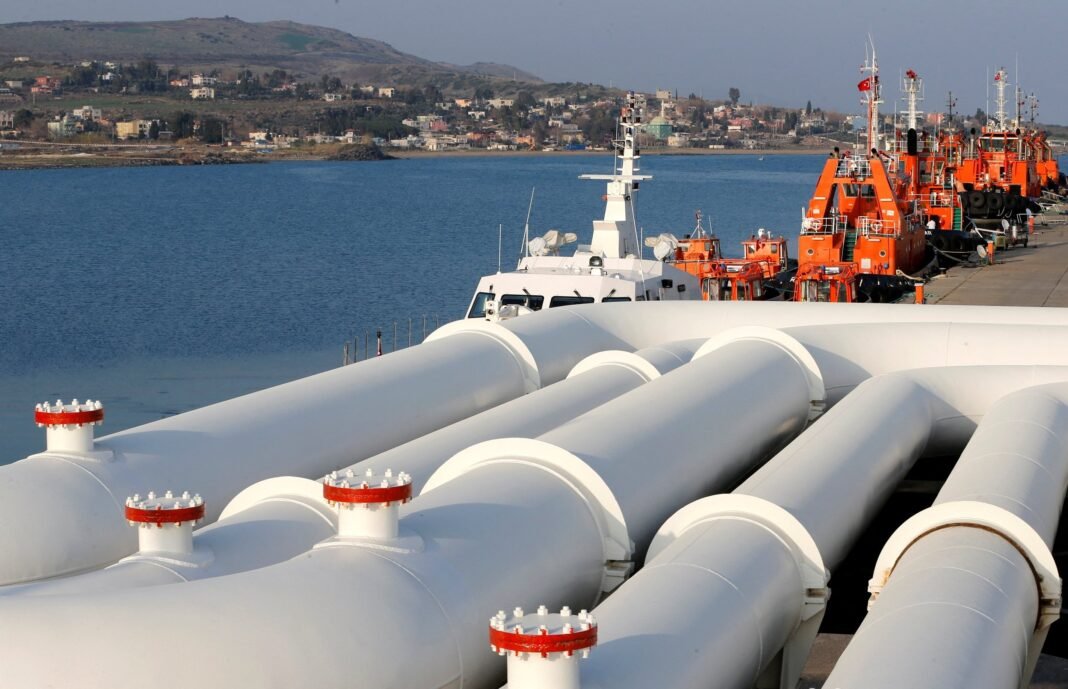
Iraq moves to renew its oil export deal with Turkey as 230,000 barrels flow daily. The State Oil Marketing Organization prepares to extend the agreement that regulates exports from the Kurdistan Region to the Turkish port of Ceyhan. Officials expect the renewal process to move forward smoothly.
Ali al-Shatri, head of SOMO, informed senior government officials about the plan. He expressed confidence in the extension of the agreement. Moreover, he stressed that the current framework supports stable oil flows and revenue management.
Previously, Baghdad, the Kurdistan Regional Government, and oil companies agreed to extend a major deal for three additional months. That extension allowed oil shipments from northern Iraq to continue without disruption. As a result, exports through the Iraq-Turkey pipeline remained steady.
The oil ministry confirmed that more than 13 million barrels moved through the pipeline after flows resumed. Authorities restarted shipments following a two-and-a-half-year suspension. Therefore, Iraq restored a critical export route that strengthens national revenue.
Under the agreement, the Ministry of Finance pays 16 dollars per barrel received from the Kurdistan Region. However, the deal requires that daily transfers do not fall below 230,000 barrels. This threshold ensures predictable income under Iraq’s federal budget rules.
Currently, producers in the Kurdistan Region pump about 280,000 barrels per day. Officials allocate 50,000 barrels per day for domestic use. Then, they send the remaining 230,000 barrels per day to SOMO. Iraq moves to renew its oil export deal with Turkey as 230,000 barrels flow daily under this structure.
Meanwhile, industry sources expect exports through Ceyhan to rise further. Increased operational capacity supports this projection. In addition, improved coordination between Baghdad and Erbil encourages steady output and transport.
The Iraq-Turkey pipeline plays a central role in this strategy. After authorities resumed operations, the pipeline regained importance in Iraq’s export system. Consequently, Iraq relies more heavily on Turkey as a primary route to global markets.
Ceyhan serves as a key outlet for Iraqi crude. From there, tankers transport oil to international buyers. Therefore, any agreement that secures this route carries major economic significance.
Iraq moves to renew its oil export deal with Turkey as 230,000 barrels flow daily, reinforcing fiscal stability. The arrangement allows Baghdad to supervise exports while maintaining cooperation with the Kurdistan Region. Furthermore, it strengthens Iraq’s position in managing oil revenues independently.
Officials believe the renewal will enhance investor confidence. Stable agreements reduce uncertainty and encourage consistent production. As exports increase, Iraq can support public spending and infrastructure development.
In conclusion, the upcoming renewal highlights Iraq’s focus on energy coordination and economic resilience. By maintaining clear export terms and steady daily volumes, authorities aim to secure long-term revenue and strengthen ties with Turkey.