

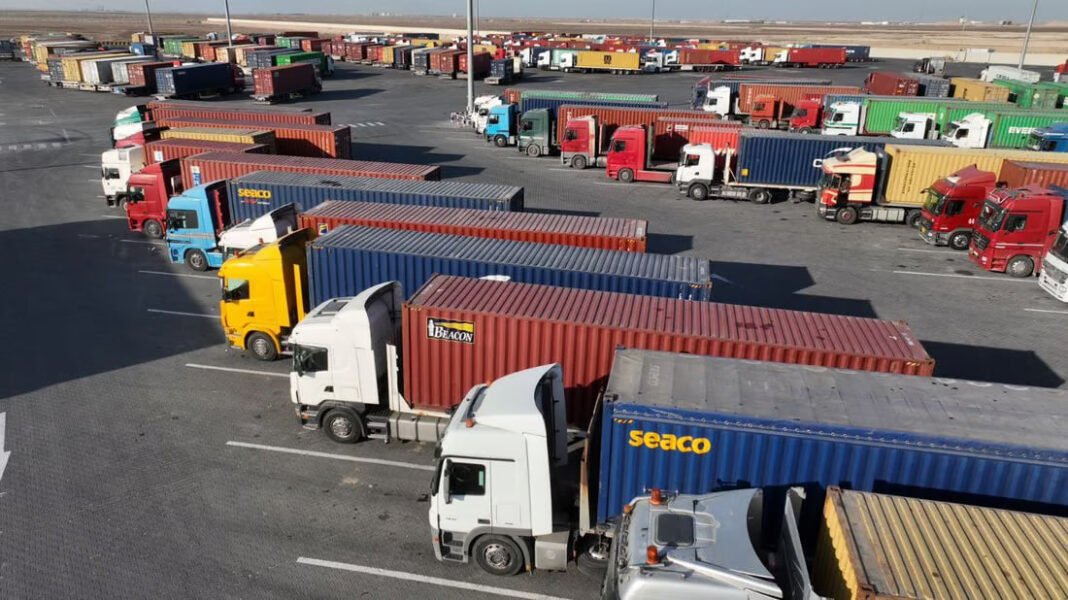
Baghdad – Iraq tops Iranian food imports, securing the largest share of Iran’s agricultural and food exports during the first nine months of the current Iranian year. Official data highlights Iraq’s growing role as Iran’s main regional trade partner in this sector.
According to figures released by Iran’s National Center for Strategic Studies of Agriculture and Water, Iraq accounted for 39% of Iran’s total agricultural commodity exports. In addition, Iraq absorbed 50% of Iran’s food industry exports during the same period. These numbers confirm strong trade ties between the two neighboring countries.
Traders shipped a wide range of goods to Iraq. Dairy products ranked among the top exports. Farmers and exporters also sent vegetables such as tomatoes and cucumbers. Moreover, fruit exports included apples, watermelons, and dates. These products filled Iraqi markets and supported domestic demand.
Most shipments originated from Iran’s western and southwestern provinces. Khuzestan, Kermanshah, and Ilam led export operations due to their direct borders with Iraq. These provinces function as key trade corridors and logistics hubs. Border crossings facilitated faster transport and reduced delivery costs.
Furthermore, regional trade patterns show Iraq’s dominance compared to other buyers. The United Arab Emirates ranked second, taking 21% of Iran’s agricultural exports. Russia followed with 10%. Pakistan secured 5%, while Afghanistan accounted for 4%. Meanwhile, Oman, Turkiye, Turkmenistan, India, and Qatar each held shares between 2% and 3%.
Customs data also strengthens Iraq’s position. Figures from the Islamic Republic of Iran Customs Administration show that Iraq remained the top destination for Iranian agricultural and food exports in 2024. During the first nine to eleven months of that year, Iraq purchased between $1.4 billion and $1.7 billion worth of goods. That value represented nearly one-third of Iran’s total exports in this category.
Economists link this trade growth to geographic proximity and strong consumer demand. Iraqi markets rely heavily on imported food products. At the same time, Iranian producers benefit from stable cross-border trade. Therefore, Iraq tops Iranian food imports as both countries expand economic cooperation.
In addition, traders expect further growth if transport routes improve and trade policies remain stable. Business leaders continue to monitor exchange rates and border regulations. However, current figures clearly show that Iraq tops Iranian food imports across multiple categories.
In summary, Iraq leads all countries in importing Iranian agricultural and food products. It holds 39% of agricultural exports and 50% of food industry exports. Trade values reached up to $1.7 billion in recent data.