

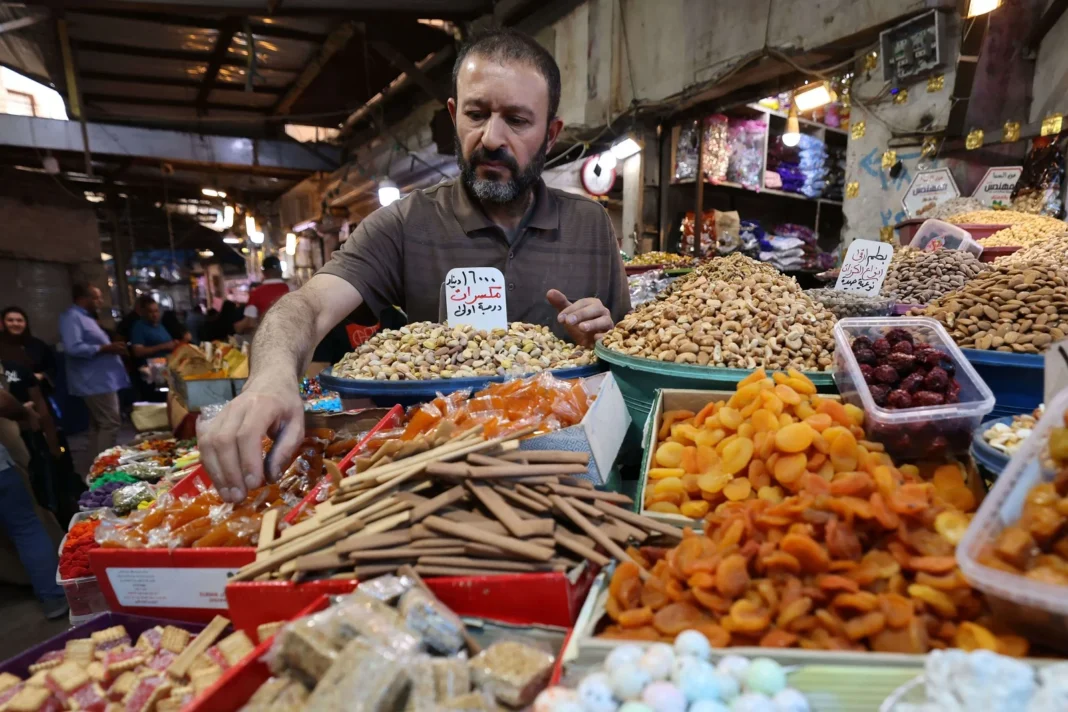
Iraq has moved forward with a major economic shift through the food commodity exchange plan. The Ministry of Trade announced a strategy to launch the country’s first food commodity exchange. This step aims to modernize markets and improve price control across the sector.
Moreover, officials want a transparent and digital system to manage supply and demand. The new platform will rely on real-time data to set prices. Therefore, farmers will receive fair payments without interference from middlemen.
At the same time, the food commodity exchange plan will connect Iraq with regional and global markets. This connection will strengthen Iraq’s role in food security across the Middle East. Additionally, it will support exports from the agricultural surplus.
The ministry confirmed that technical studies have reached the final stage. The exchange will act as a central hub for trading crops and essential food items. Consequently, traders and producers will operate within a structured and regulated environment.
Furthermore, Iraq will introduce a digital tracking system for all imported food shipments. Authorities will monitor shipments from the origin to the local warehouses. This system will rely on a unified electronic database to ensure accuracy.
Additionally, officials will enforce strict pre-inspection rules before goods enter the country. QR codes will verify shipment details and quality standards. As a result, markets will block expired or unsafe products more effectively.
Meanwhile, Iraq will prioritize national food security before exports. Officials confirmed that strategic grain reserves will come first. The government will also secure supplies for the national food basket program.
After meeting domestic needs, the ministry will move toward exports. The food commodity exchange plan will support structured export mechanisms. This approach will help diversify revenue and strengthen financial stability.
Notably, Iraq faces a funding gap of about $9.5 billion. However, officials expect reforms to reduce inflation and stabilize food prices. Lower price volatility will support low-income families across the country.
At the same time, the exchange will attract private investment. Investors may support large storage facilities and food processing industries. Therefore, Iraq can expand its agricultural economy and increase production capacity.
Overall, the food commodity exchange plan represents a major step toward economic reform. It combines digital innovation with market transparency. As a result, Iraq strengthens its position in both local and global food markets.