

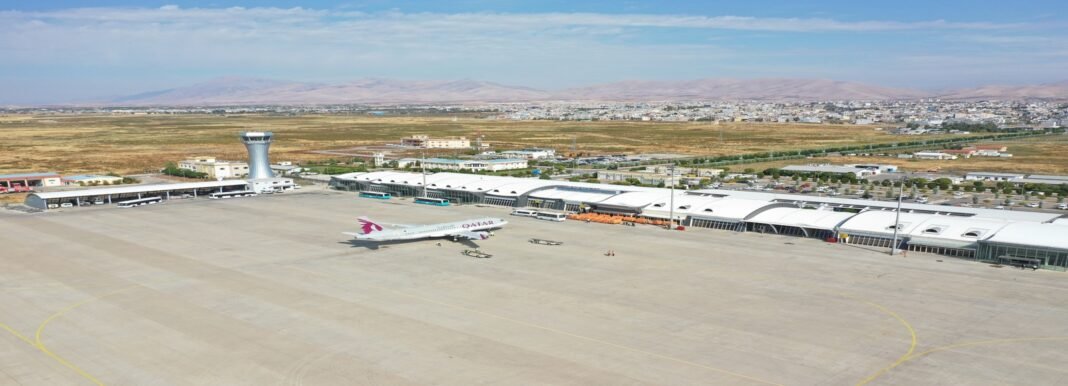
Iraq flights halted from Sulaymaniyah to Tehran as Iran unrest intensifies. Therefore, aviation authorities reacted quickly to rising security concerns. Moreover, regional instability forced airlines to reconsider travel plans. As a result, passengers faced sudden schedule changes.
Iraq flights halted after Sulaymaniyah International Airport stopped routes to Tehran. Airport officials confirmed multiple cancellations through internal notices. However, officials did not explain the reasons in detail. Still, Iran unrest clearly influenced decisions.
Authorities cancelled flights scheduled for different days. Consequently, travelers adjusted plans and sought alternatives. In addition, airlines informed passengers electronically. Iraq flights halted without prior public announcements.
Iran unrest continues to affect regional travel confidence. Therefore, many countries now review flight safety. Moreover, airlines prefer caution during political instability. Iraq flights halted reflect wider regional concerns.
In contrast, Erbil International Airport continued limited operations to Tehran. Airport leadership stated that flights remained active for now. However, uncertainty surrounded upcoming departures. Iran unrest raised doubts across airline schedules.
A separate source at Erbil airport expected possible cancellations. Therefore, authorities waited for further instructions. In addition, Iranian aviation decisions influenced final outcomes. Iraq flights halted in Sulaymaniyah increased pressure on Erbil routes.
Airports across the region monitor events inside Iran closely. Consequently, airlines adjust operations daily. Moreover, unrest creates unpredictable conditions. Iraq flights halted show how fast situations can change.
Iran unrest began after sharp currency declines. Merchants struggled with rising costs and weak purchasing power. Therefore, traders organized protests in major markets. Economic pressure fueled wider public anger.
Citizens joined demonstrations as living conditions worsened. Consequently, protests spread rapidly across provinces. Moreover, dissatisfaction crossed social and economic lines. Iran unrest expanded nationwide within days.
Security forces responded forcefully to demonstrations. They deployed riot units and crowd control tools. As a result, clashes escalated in many cities. Iran unrest turned violent quickly.
Reports described heavy casualties among protesters. Families faced growing fear and uncertainty. Therefore, travel safety concerns increased sharply. Iraq flights halted due to these developments.
Air travel often reacts first to political instability. Airlines prioritize passenger safety above all. Moreover, airports rely on international security assessments. Iraq flights halted underline aviation sensitivity.
Travel disruptions affect trade and personal movement. Business travelers now face delays and losses. In addition, families experience separation and inconvenience. Iran unrest impacts daily regional life.
Aviation authorities continue to monitor developments. Therefore, further cancellations may occur. Moreover, airlines stay flexible with scheduling. Iraq flights halted may expand if unrest continues.
Regional cooperation becomes essential during crises. Airports share information and coordinate responses. Consequently, decisions align across borders. Iran unrest demands constant evaluation.
Travelers now seek updates before booking flights. Authorities urge passengers to remain patient. In addition, airlines promise timely communication. Iraq flights halted emphasize uncertainty.
Despite challenges, airports maintain readiness. Emergency planning remains active. Therefore, operations can resume when conditions improve. Iran unrest still shapes decisions.
Iraq flights halted remain temporary according to sources. However, stability must return first. Ultimately, safety drives every decision. Regional calm will restore normal travel.