

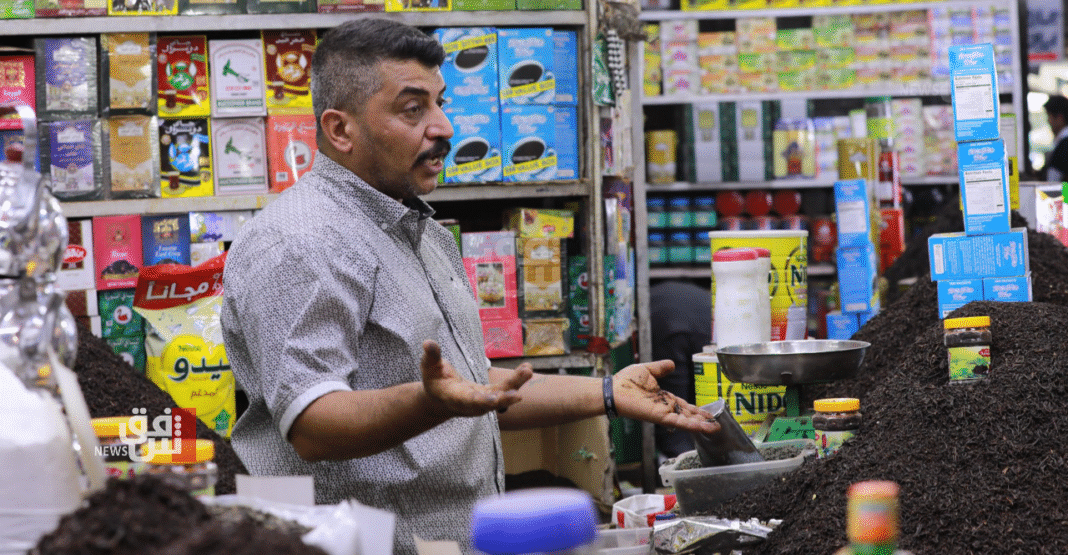
Across Iraq, a sharp sales slump in Iraq signals deepening economic distress. Markets have seen their activity fall by more than half. This dramatic drop stems from slowing construction, weak investment, and shrinking consumer spending.
In Baghdad, local commerce is suffering heavily. Rashid al-Saadi, a spokesperson for the Chamber of Commerce, explained that real estate deals have nearly stopped. This pause has dragged down key sectors like transportation, building materials, and daily wage labor. These industries form the backbone of Iraq’s local trade.
Moreover, currency exchange offices are now witnessing far fewer transactions. One major reason behind this is the rising value of the Iraqi dinar compared to the US dollar.
This sales slump in Iraq currency strength is no accident. The Central Bank of Iraq, working closely with international partners, including the US Federal Reserve, has driven this change. However, the reduced gap between the official and parallel exchange rates has brought an unexpected downside. People are traveling less, and market liquidity has dried up, slowing trade even more.
Economist Ahmed Abedrabbo describes Iraq’s situation as a clear contraction phase. He blames it on falling purchasing power, restrained government spending, and ongoing inflation. Even though inflation stood at just 2.2% in early 2025, consumer demand remains weak, especially for non-essential goods.
“Swift action is essential,” he warned. Without strong steps, the current stagnation may lead to a full recession. He called for immediate reforms, smarter public spending, and new economic incentives.
Researcher Ahmed Eid linked the crisis to deeper problems. He highlighted delays in budget approval, poor planning, and constant political interference. These issues, he said, fuel corruption and weaken government institutions, which in turn scares away investment.
Another serious issue, Eid added, is Iraq’s overwhelming dependence on consumption. Since the country lacks strong local production, any external shock hits the economy hard.
Despite these setbacks, there’s a monetary cushion. Economist Safwan Qusay reminded that Iraq still holds over $97 billion in reserves. These funds allow the Central Bank to maintain exchange rate stability and ensure trade flows continue.
He also pointed to some positive developments. Government-led housing projects still generate demand for construction supplies and create job opportunities. The Central Bank’s programs continue to assist small businesses and boost local industries.
Even with global inflationary pressures, Iraq’s stable dinar, food subsidies, and ration card system have helped control prices. But Qusay stressed that Iraq’s future depends on more than temporary fixes. Increasing non-oil revenue, ending gas flaring, and speeding up investment in energy and manufacturing are crucial for real economic independence.