

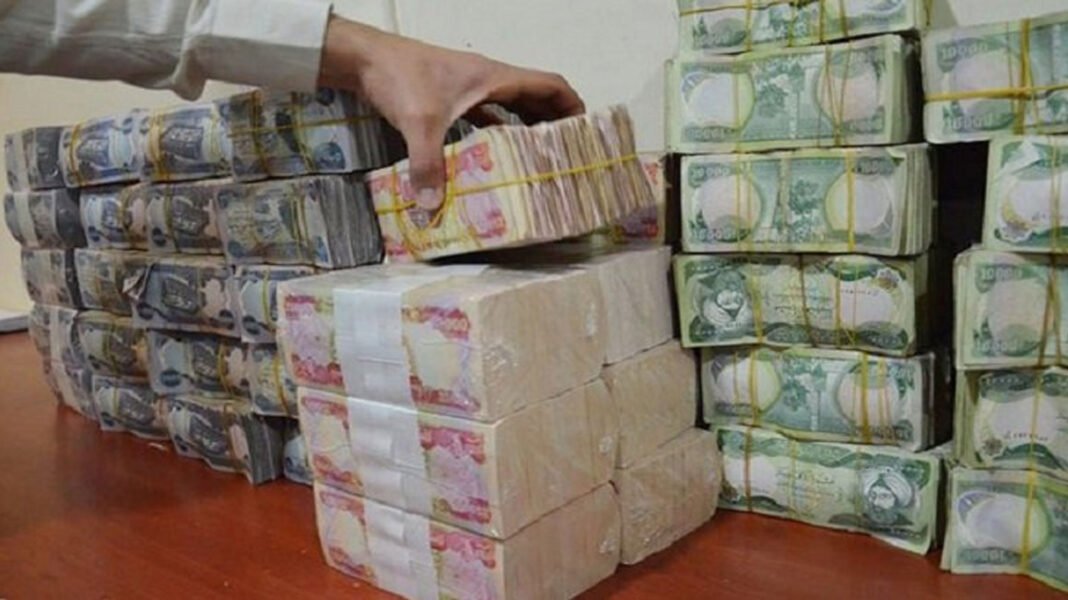
Iraq’s 2027 federal budget has entered the drafting stage as the government moves forward without introducing a budget for 2026. Officials say political developments and weaker oil revenues have forced a major change in the country’s fiscal planning. The new approach is expected to reshape how Iraq manages public spending and economic development.
The Ministry of Finance has begun preparing the 2027 budget after authorities decided to bypass the 2026 fiscal plan. Government leaders concluded that the remaining time in the current fiscal cycle no longer allowed for a practical rollout of a new annual budget.
Political uncertainty surrounding the formation of the government under Prime Minister Ali al-Zaidi also influenced the decision. At the same time, changing regional conditions affected Iraq’s oil income, prompting officials to focus on a longer-term financial strategy. As a result, the 2027 federal budget has become the government’s primary economic priority.
Lawmakers and financial specialists expect the upcoming budget to differ significantly from previous Iraqi budgets. Instead of following the traditional spending model, the government plans to introduce a framework centered on broader economic objectives and long-term development.
Mazhar Saleh, the prime minister’s financial adviser, said the draft budget will first go before the Ministerial Council for Economic Affairs. After that review, the Cabinet will examine the proposal before sending it to the Iraqi parliament for debate and approval.
Officials explained that the government will replace the conventional itemized budget with an economic program framework. This model aims to connect government spending more closely with national development goals and economic reforms.
The new direction follows discussions with the World Bank on strengthening Iraq’s fiscal management. Policymakers believe the revised structure can improve planning, increase efficiency, and support sustainable economic growth over the coming years.
Another major objective involves expanding non-oil revenue collection. Officials want to reduce the country’s heavy reliance on oil exports, especially after recent regional disruptions sharply reduced crude shipments. Lower export volumes have placed additional pressure on public finances and increased the need for alternative revenue sources.
The government also plans to strengthen financial discipline across public institutions. Authorities hope tighter revenue collection and more efficient spending will reduce budget deficits while improving the overall stability of state finances.
In addition, the proposed framework seeks to address hidden unemployment and lower unnecessary government expenditures. Despite these reforms, officials say they remain committed to protecting social welfare programs and ensuring the continued payment of public sector salaries.
Economic experts believe the new strategy could mark an important shift in Iraq’s financial management if lawmakers approve the proposal. Success will depend on effective implementation, stronger revenue diversification, and continued efforts to modernize public finance systems.
As drafting continues, the 2027 federal budget is expected to play a central role in shaping Iraq’s economic policy. Government leaders hope the revised framework will strengthen fiscal stability while supporting long-term development in a changing regional environment.