

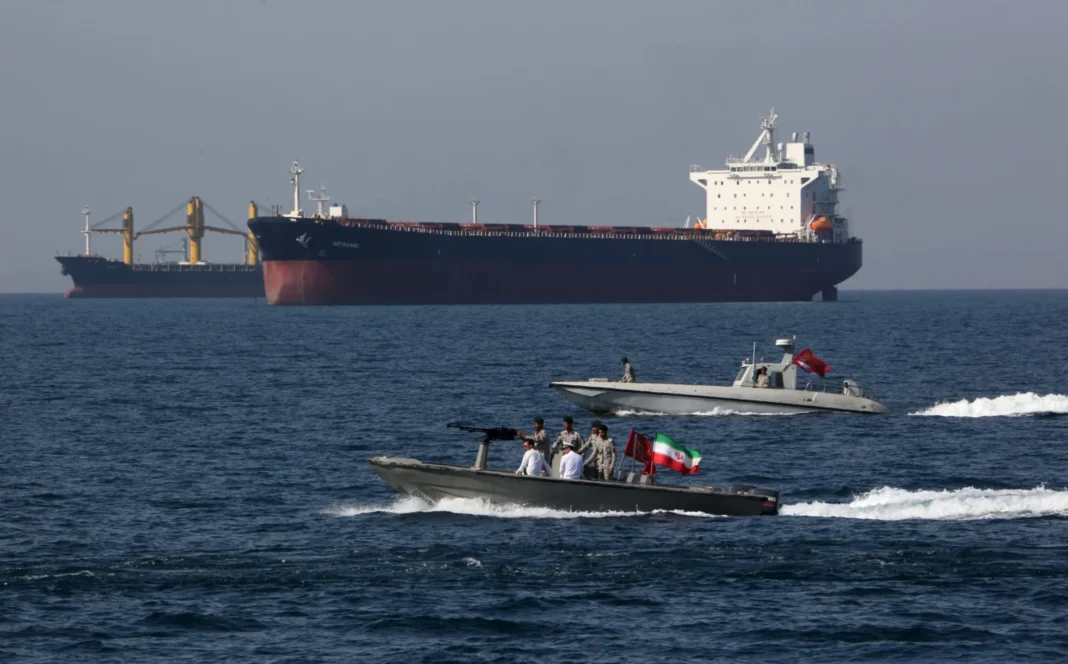
The oil market rally gained momentum on Wednesday as crude prices moved higher after fresh military action between the United States and Iran. Investors also reacted to new data showing a sharp decline in U.S. crude inventories. Together, these developments renewed concerns about global supply and pushed energy markets upward.
Brent crude futures increased by 66 cents to reach $92.11 per barrel during early trading. U.S. West Texas Intermediate crude also advanced, climbing 60 cents to $88.80 per barrel. Both benchmarks recovered after touching their lowest levels in nearly seven weeks during the previous session.
Market sentiment shifted after the United States launched strikes against Iranian targets. The action followed President Donald Trump’s pledge to respond after Iranian forces reportedly brought down a U.S. Apache attack helicopter. The latest military exchange raised fears that recent diplomatic progress could quickly fade.
Energy analysts noted that traders have once again focused on geopolitical risks. Concerns about potential disruptions to oil supplies returned to the forefront of market discussions. As a result, many investors added a risk premium to crude prices.
At the same time, tensions across the Middle East remain elevated. Iranian officials warned that hostilities could intensify if Israeli operations against Hezbollah continue in Lebanon. The ongoing conflict has complicated efforts to secure a lasting agreement between regional powers and international allies.
The renewed uncertainty helped fuel the oil market rally. Analysts believe supply concerns could support prices through the coming months. Seasonal demand often strengthens during the third quarter, which may add further upward pressure if disruptions persist.
Shipping activity also remains a major concern for energy markets. Iran continues to restrict much of the traffic moving through the Strait of Hormuz. This vital route normally handles a significant share of the world’s oil and liquefied natural gas shipments. Meanwhile, the United States has maintained restrictions targeting Iranian ports.
Despite these challenges, U.S. officials reported signs of improvement in regional shipping activity. Recent data indicated that vessel movements and crude exports through the Gulf have increased. However, uncertainty remains as negotiations between Washington and Tehran continue without a clear breakthrough.
Another factor supporting prices came from U.S. inventory data. Industry figures showed crude stockpiles falling for an eighth straight week. Sources familiar with the American Petroleum Institute report said crude inventories dropped by more than nine million barrels during the latest reporting period.
Gasoline inventories also declined during the same week. Falling stock levels suggest strong demand and tighter market conditions. Lower inventories often signal reduced availability for export markets.
The United States has increased energy shipments to both Europe and Asia throughout the conflict. However, shrinking domestic inventories could limit future export capacity. That possibility has strengthened expectations that crude prices may remain elevated in the near term.
For now, traders continue to monitor military developments, shipping conditions, and supply data. These factors remain central to the current oil market rally and could determine the direction of energy prices in the weeks ahead.