

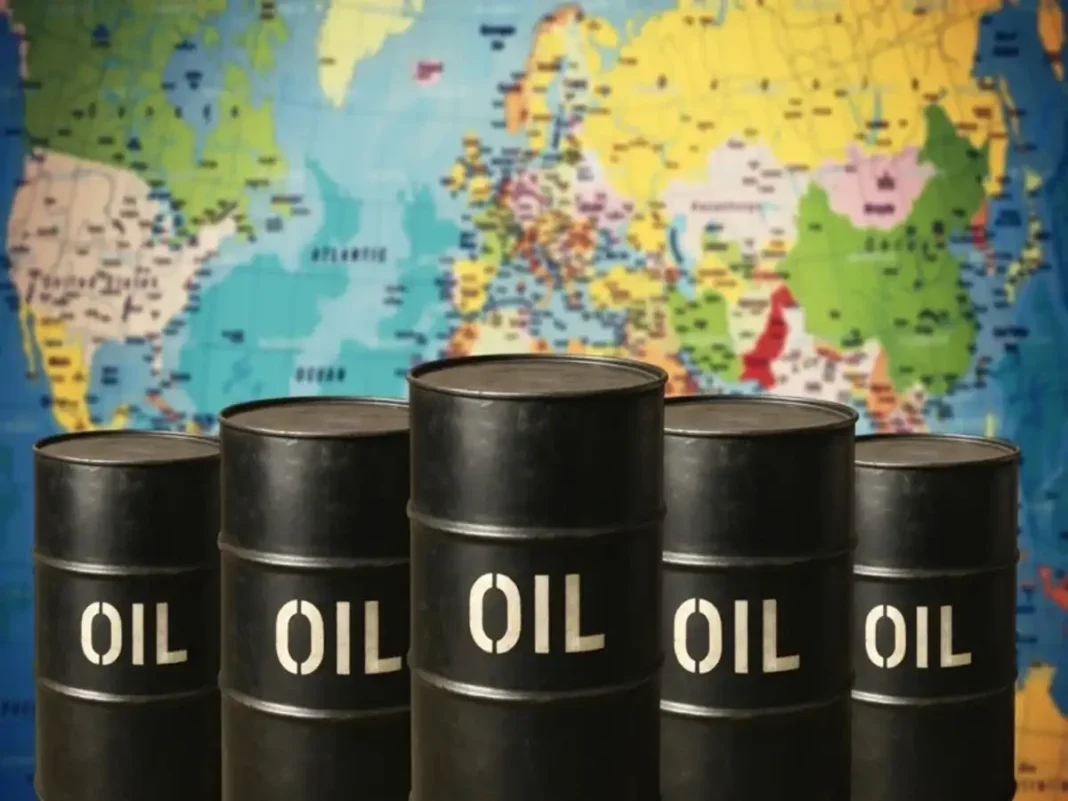
Oil Prices Surge Past $96 after a fresh wave of military tensions rattled energy markets and renewed concerns about global crude supplies. Traders reacted quickly to reports of escalating conflict across the Middle East, pushing benchmark oil prices sharply higher at the start of the week. The latest developments have raised fears about supply disruptions in one of the world’s most important energy-producing regions.
Brent crude climbed more than $3 per barrel during early trading on Monday. The international benchmark reached $96.24 per barrel, marking a gain of more than three percent. Meanwhile, U.S. West Texas Intermediate crude rose to $93.41 per barrel. Those gains reversed the losses recorded at the end of the previous week.
Markets initially responded to renewed Israeli military operations in Lebanon. However, investor anxiety increased further after reports of explosions in several Iranian cities. Local media outlets reported blast sounds in Tehran, Tabriz, and Isfahan. These developments weakened expectations that the broader regional conflict could end soon.
Energy traders remain focused on the Strait of Hormuz, a critical route for global oil shipments. Any threat to shipping activity through the waterway can have significant consequences for international energy supplies. Concerns about continued disruptions have encouraged buyers to move aggressively into oil markets.
The recent price rally follows months of volatility linked to regional tensions. Oil prices have increased dramatically since March as conflict-related risks intensified. While diplomatic efforts continue, uncertainty still dominates market sentiment. Investors remain cautious about the possibility of additional military actions.
On Sunday, Iran launched missile strikes against Israeli targets in response to earlier attacks. Despite the exchange, U.S. President Donald Trump expressed confidence that negotiations could still produce a broader peace agreement. He indicated that diplomatic channels remain active and suggested that a resolution remains achievable.
Trump also reportedly urged Israeli Prime Minister Benjamin Netanyahu to avoid further escalation. His comments briefly supported hopes for a diplomatic breakthrough. Nevertheless, financial markets appeared more focused on the immediate security risks than on political assurances.
Iran has linked progress in negotiations with developments involving Lebanon. The country continues to view a lasting ceasefire as an important condition for broader regional stability. Although Lebanon and Israel announced a ceasefire agreement earlier this month, violence has continued despite previous commitments to halt hostilities.
The ongoing conflict has created major challenges for energy markets. Tehran has restricted much of the shipping traffic through the Strait of Hormuz, while Washington has maintained pressure on Iranian trade activity. Together, these actions have contributed to supply concerns that continue to influence crude prices.
At the same time, OPEC+ agreed to increase oil production for the fourth consecutive month. The group hopes to ease pressure on global markets and improve supply availability. However, many analysts doubt the move will significantly affect current conditions.
Several member countries continue to face production constraints. Some producers struggle with transportation issues linked to regional instability. Others face infrastructure problems that limit their ability to raise output. As a result, the additional production targets may have little practical impact.
Oil Prices Surge Past $96 because traders believe geopolitical risks remain the dominant force in the market. Supply fears continue to outweigh efforts aimed at increasing production. Until tensions ease, volatility is likely to remain a defining feature of global energy trading.
For now, Oil Prices Surge Past $96 serves as another reminder of how quickly geopolitical events can reshape commodity markets. Investors, governments, and consumers will continue monitoring developments closely as the situation evolves across the region.