

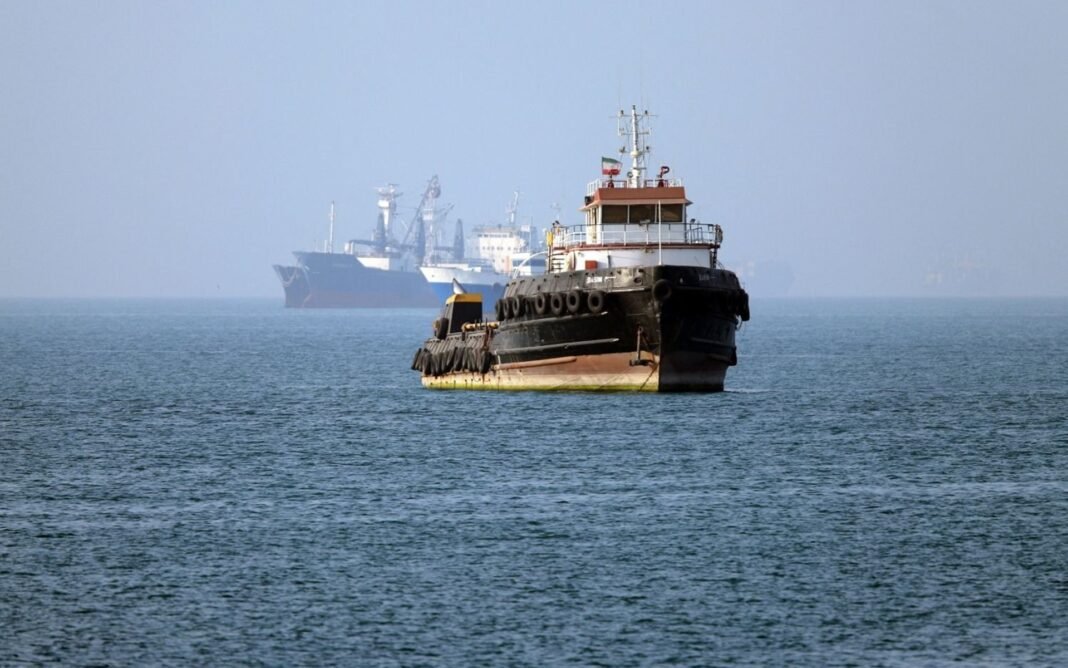
A vessel carrying Iraqi crude reversed course shortly after crossing the Strait of Hormuz, raising new concerns over regional maritime tensions. The tanker transported nearly two million barrels of oil loaded from Iraq’s southern port of Basra. Reports indicated that the ship changed direction unexpectedly and entered the Gulf of Oman on Monday. The incident came amid heightened enforcement measures linked to the ongoing conflict involving Iran and the United States.
Shipping data showed the tanker originally headed toward Vietnam’s Nghi Son port. The vessel reportedly followed a route designated by Iranian authorities while passing through the strategic waterway. Tehran had earlier announced that Iraqi oil shipments would remain exempt from restrictions connected to the maritime blockade. The exemption aimed to prevent disruptions to Iraq’s energy exports during the regional crisis.
A vessel carrying Iraqi crude became the focus of international attention after US forces intervened. According to regional reports, the US Navy ordered the tanker to reverse course after it crossed Hormuz. The United States Central Command later confirmed that American forces redirected the ship as part of broader enforcement operations in the region. Officials stated that the measures support Washington’s embargo policies related to Iran.
Vietnam’s national energy company reportedly contacted US authorities regarding the shipment. The company stressed that the oil cargo remains important for maintaining domestic fuel supplies. Energy officials continue monitoring the situation closely because delays could affect refinery operations and fuel availability. The incident also highlighted the growing risks facing international shipping routes in the Gulf.
The Strait of Hormuz remains one of the world’s most important maritime energy corridors. Large volumes of global oil exports pass through the narrow waterway every day. Any disruption in the area quickly affects international energy markets and shipping activity. Analysts say recent military tensions increased uncertainty for commercial vessels operating near the Gulf.
A vessel carrying Iraqi crude now represents another example of how regional conflict impacts global trade and energy security. Iraq depends heavily on southern oil exports to support its economy and government revenues. Continued instability around strategic maritime routes could place additional pressure on energy markets in the coming months. Observers expect diplomatic discussions to continue as countries attempt to avoid further escalation.