

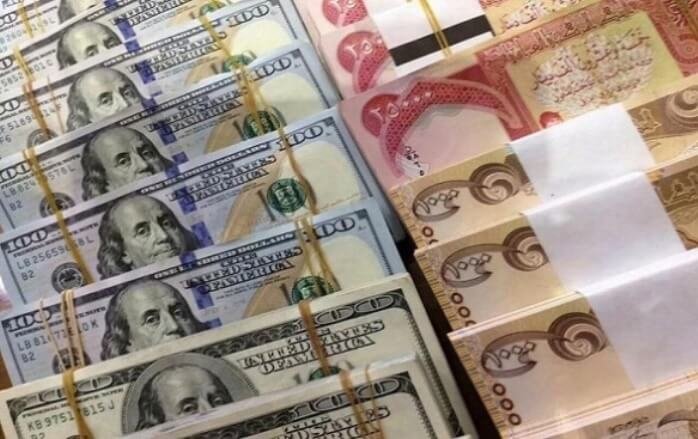
USD/IQD exchange rates recorded a new increase on Sunday as the U.S. dollar gained value in both Baghdad and Erbil markets. Currency trading activity showed higher prices compared with the previous session, reflecting continued fluctuations in Iraq’s exchange markets.
According to local market data, the dollar traded at 153,500 Iraqi dinars for every 100 U.S. dollars in Baghdad’s Al-Kifah and Al-Harithiya exchanges. The figure marked an increase from the previous trading session, when the exchange rate stood at 153,150 dinars per 100 dollars.
Currency exchange shops across Baghdad also reported higher selling prices during Sunday trading. Dealers sold 100 U.S. dollars for 154,000 Iraqi dinars, while buying prices reached 153,000 dinars. Traders said market activity remained stable despite the latest rise in exchange rates.
USD/IQD exchange rates also moved upward in Erbil markets. Exchange shops in the Kurdistan Region sold 100 U.S. dollars for 153,100 dinars. Buying prices remained at the same level during morning trading activity.
Currency markets in Iraq often witness daily fluctuations because of supply and demand conditions. Banking transfers, import activity, and regional economic developments also influence exchange rate movements across local markets.
Financial analysts continue monitoring the gap between official Central Bank rates and parallel market prices. Many traders closely follow currency market movements because exchange rate changes directly affect commercial activity and consumer purchasing power.
USD/IQD exchange rates remain one of the most closely watched economic indicators in Iraq. Businesses, importers, and currency traders rely heavily on daily market updates to manage financial transactions and pricing decisions.
Economic experts say continued demand for the U.S. dollar could maintain pressure on local exchange markets in the short term. However, future movements will likely depend on monetary policies, foreign currency supply levels, and broader regional economic conditions.