

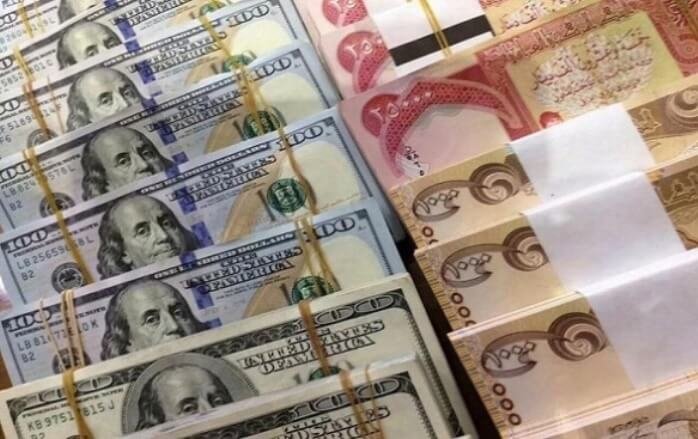
Iraq faces rising dinar market pressure as financial controls tighten and regional tensions increase. The currency market shows clear signs of instability. Moreover, experts warn that external and internal factors continue to shape exchange rates.
Reports, including analysis from The Wall Street Journal, highlight stricter U.S. oversight on dollar flows into Iraq. Washington has not stopped dollar access. However, it has strengthened monitoring systems to control currency movement.
The Central Bank of Iraq now operates an electronic platform that filters transactions. This system prevents dollars from reaching sanctioned entities. As a result, authorities aim to protect financial compliance and global standards.
According to analyst Nabeel Al-Marsoumi, these measures increase dinar market pressure. He explains that tighter U.S. controls widen the gap between official and parallel exchange rates. Therefore, the dinar faces continuous downward stress.
At the same time, security conditions play a major role in currency fluctuations. Experts from Chatham House link regional tensions to market behavior. They describe a situation of “purchasing anxiety” among traders and businesses.
Consequently, many merchants shift toward the US dollar to protect their assets. This behavior raises demand for foreign currency. In turn, it pushes the dinar further under dinar market pressure.
In addition, reports from Reuters point to armed group activity as another factor. These activities disrupt economic stability and discourage foreign investment. Investors often view Iraq as a high-risk environment under such conditions.
Furthermore, analysts at the Center for Strategic and International Studies stress ongoing challenges. They note that some groups influence border crossings and economic sectors. This influence complicates government efforts to reduce currency smuggling.
As a result, Iraq faces a difficult balance. The country must follow international financial rules to maintain access to the dollar. At the same time, it must improve internal stability to ease dinar market pressure.
Overall, dinar market pressure reflects a complex mix of policy, security, and market behavior. Each factor affects daily economic life across Iraq. Therefore, future stability depends on both financial reforms and improved security conditions.
This article is an analysis by our researchers at Iraq Business Review.