

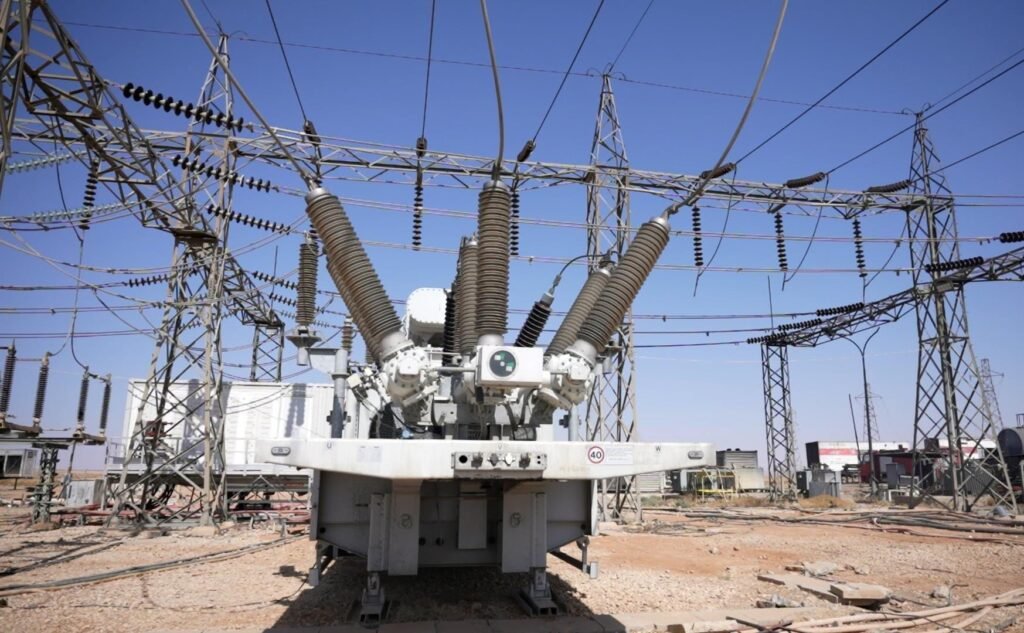
The Iraq summer electricity output target highlights major energy challenges as authorities prepare for rising seasonal demand. Officials plan to increase generation capacity during peak months. However, supply still falls short of national consumption needs. Moreover, the gap continues to affect daily electricity stability.
The Ministry of Electricity targets 30,000 megawatts of production this summer. Meanwhile, national demand may reach around 55,000 megawatts. Therefore, the system faces a significant shortfall. As a result, Iraq’s summer electricity output target reflects ongoing pressure on the power grid.
In addition, officials confirm that current plants cannot meet full demand. They expect supply fluctuations across most provinces. Furthermore, scheduled outages will continue during peak hours. However, essential services will remain prioritized. Hospitals, water stations, and wastewater systems will receive a stable supply.
Moreover, infrastructure development projects continue across the energy sector. Authorities work on new generation facilities and grid upgrades. Yet, these projects still require more time for completion. Consequently, short-term relief remains limited. The Iraq summer electricity output target depends heavily on these unfinished upgrades.
At the same time, fuel supply challenges affect production levels. Power plants rely on imported gas to operate efficiently. However, supply interruptions reduce generation capacity. Additionally, reduced imports from external partners create further pressure. Therefore, fuel instability directly impacts electricity output.
Furthermore, demand increases sharply during hot seasons. Consumption often exceeds 50,000 megawatts nationwide. As a result, the gap between supply and demand widens further. The Iraq summer electricity output target cannot fully close this difference yet.
Meanwhile, authorities explore alternative energy solutions. They consider expanding domestic gas usage and improving efficiency. In addition, renewable energy projects gain more attention. However, these solutions require long-term investment and planning.
Overall, the Iraq summer electricity output target shows an ongoing energy imbalance. It also highlights dependency on fuel imports and infrastructure limits. Therefore, the electricity sector continues to face structural challenges.