

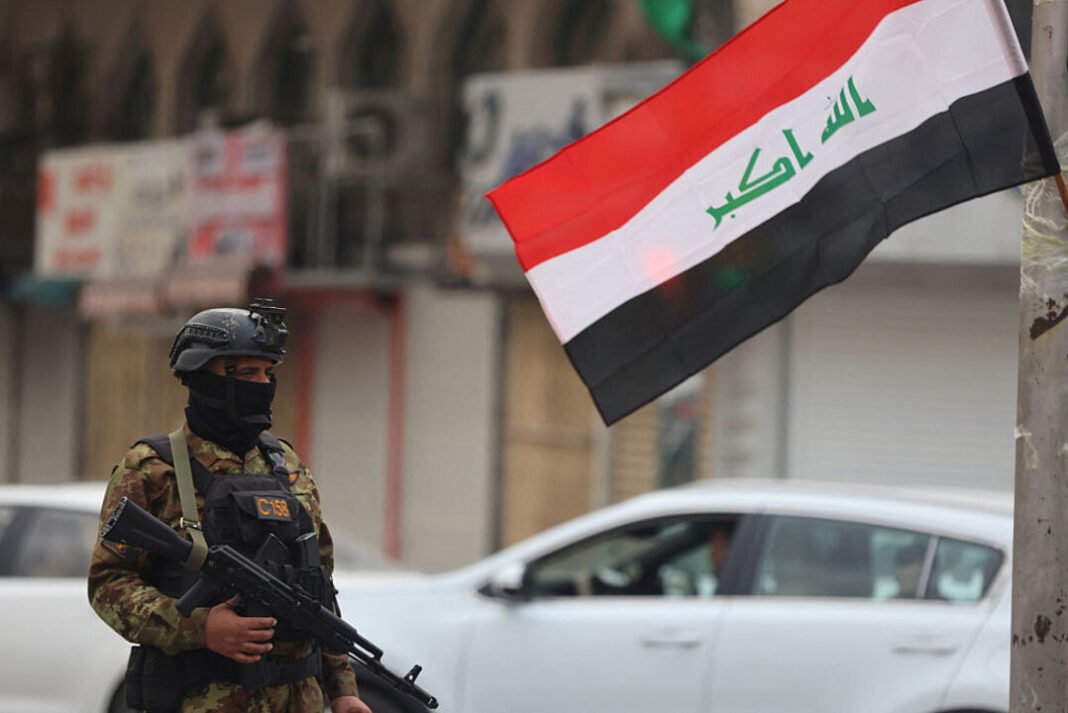
Baghdad – Iraq faces a renewed political debate as the Iraqi Flag Service returns strongly. This time, economic concerns shape the direction of discussions. The Iraq Service of the Flag now stands at the center of both policy and financial debate.
During a parliamentary session, Haibat al-Halbousi led lawmakers and guided the terminology. He rejected the phrase “mandatory conscription.” Instead, he promoted the Iraq Service of the Flag as a national responsibility that builds unity.
However, the debate quickly moved toward economic impact. Critics warned that the program could place heavy pressure on public finances. They argued that large-scale implementation would require sustained government spending.
First, the proposal covers a broad segment of society. This wide inclusion means the government must support many participants. As a result, officials must prepare for increased financial commitments.
Next, the plan includes flexible service durations. Education level determines the length of service. While this system offers balance, it still demands consistent funding.
Moreover, parliament requested detailed evaluations from state institutions. Ministries of defense, planning, and finance must review costs and logistics. Their analysis will influence the future of the Iraq Service of the Flag.
Supporters continue to defend the proposal. Security expert Alaa al-Nashu believes the program can support social stability. He argues that structured service can reduce unemployment and improve discipline.
In addition, supporters say national service can strengthen long-term resilience. A prepared reserve force may help protect the country during crises. This stability could support economic continuity.
On the other hand, critics raise serious concerns. Analyst Adnan al-Kenani warns that the policy could strain the national budget. He believes resources should support modern sectors instead.
Furthermore, critics argue that today’s economies depend on technology. They suggest directing investment toward digital skills and innovation. This approach, they say, offers stronger economic returns.
Also, MP Saad al-Awadi highlighted workforce challenges. He noted that Iraq already maintains a large security structure. This factor raises doubts about expanding commitments.
In conclusion, the Iraq Service of the Flag continues to divide opinion. The Iraqi Service of the Flag now links national identity with economic reality. Lawmakers must weigh financial sustainability against strategic goals.