

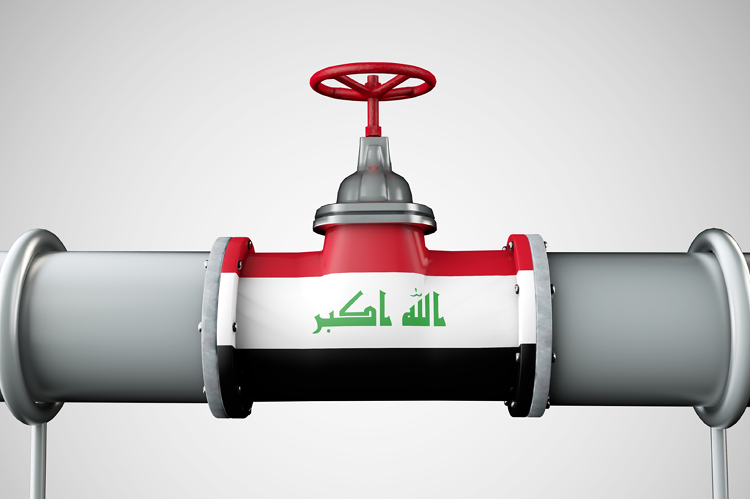
Iraq advances oil export diversification plan as it studies a $55 billion pipeline network. The project aims to reduce reliance on risky maritime routes. As a result, officials explore long-term energy solutions. Therefore, regional cooperation becomes essential.
First, Iraq and Gulf countries consider building two major pipelines. These lines would start in southern Iraq and extend through Kuwait and Saudi Arabia. Then, the pipelines would reach ports on the Arabian Sea. Iraq advances oil export diversification plan to secure stable export routes.
Moreover, the project targets ports like Duqm and Salalah. These locations provide direct access to global markets. In addition, they allow exports to reach Asia without delays. Consequently, oil shipments avoid congested sea lanes.
At the same time, disruptions in the Strait of Hormuz continue to raise concerns. Tanker traffic faces risks due to regional tensions. Because of this, transit costs and delays increase. Iraq advances its oil export diversification plan to reduce these pressures.
Furthermore, analysts suggest that transit fees could burden oil producers. Even small charges may create long-term financial strain. Therefore, countries seek alternatives that lower costs over time. This pipeline project could match those costs over 25 years.
In addition, the network would give Iraq more flexibility in exporting crude oil. Producers could choose safer and faster routes. As a result, supply chains would become more resilient. Iraq advances its oil export diversification plan to strengthen its energy security.
Meanwhile, several countries would share the project’s cost. Each country would contribute based on its usage level. This approach ensures fair investment and mutual benefit. However, construction would take several years to complete.
Previously, Iraq relied heavily on maritime exports through the Gulf. However, ongoing risks highlight the need for diversification. Therefore, this pipeline network offers a strategic alternative.
In conclusion, Iraq and its partners continue to evaluate this major project. The Iraq pipeline plan could transform regional oil transport. These efforts aim to secure exports and reduce dependence on vulnerable routes.