

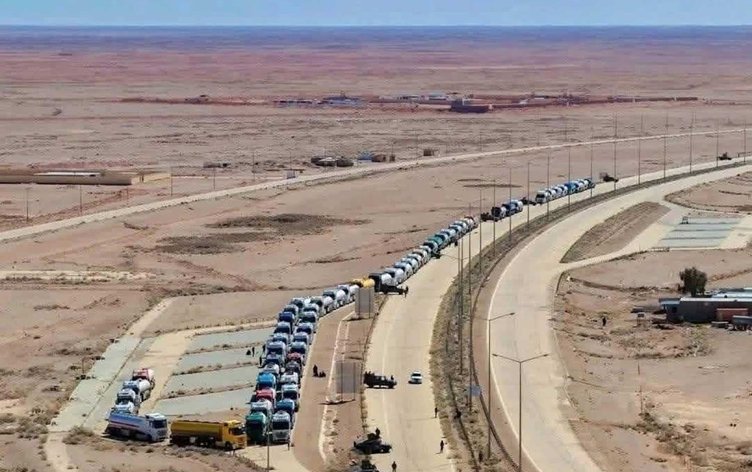
Iraq moves forward with oil export restart as it sends 500,000 tons through Syria. The country uses a new route to keep trade active. This step comes after major disruptions in regional shipping. As a result, Iraq looks for faster solutions. Therefore, officials chose land transport to support exports.
First, more than 60 tanker trucks carried crude oil from Anbar toward Syria. Next, the convoy reached the Baniyas refinery area. Then, workers began loading a large tanker at the port. Iraq moves forward with oil export restart despite earlier delays. In addition, teams expect the loading process to take several days.
Moreover, officials confirmed that the shipment will reach about 500,000 tons. This figure shows a strong effort to stabilize exports. Meanwhile, Syria will use part of the oil for power generation. Consequently, power plants will receive needed fuel. After that, the remaining oil will move to the sea markets.
At the same time, maritime routes faced serious disruption. Ships could not move freely through the Strait of Hormuz. Because of this, Iraq slowed production and filled storage tanks quickly. However, Iraq moves forward with the oil export restart using alternative routes.
Earlier, Iraq announced plans to transport oil by trucks through Syria. Since then, operations have increased steadily. In addition, many trucks arrived near Tartus and Baniyas facilities. These movements show active coordination between both sides. Therefore, the plan now supports both export and local energy needs.
Furthermore, Iraq depends heavily on oil income. Oil revenues make up around 90 percent of the national budget. Because of this reliance, any disruption creates pressure on the economy. Before the crisis, Iraq exported about 3.5 million barrels daily. Most shipments moved through Gulf routes.
Recently, Iraq restarted part of its exports through the Kurdistan pipeline. This pipeline connects to the Turkish port of Ceyhan. Exports through this route reached about 250,000 barrels per day. Therefore, Iraq now uses multiple paths to maintain supply.
In conclusion, Iraq continues to adapt its export strategy. The country uses land and pipeline routes to avoid delays. These steps help maintain revenue and support energy markets.