

Oil prices above $100 surge amid rising geopolitical tension. Oil prices above $100 surge as supply fears grow. Also Oil prices above $100 surge with markets reacting fast.
Oil prices climbed sharply above $100 per barrel as tensions escalated in the Gulf. The surge followed plans by the United States Navy to block maritime routes linked to Iran.
As a result, traders rushed to price in supply risks. Brent crude jumped by $6.96, reaching $102.16 per barrel. Meanwhile, West Texas Intermediate rose $8.12 to $104.69 per barrel.
This sharp increase came after earlier losses in the previous session. However, the market quickly reversed direction due to rising uncertainty.
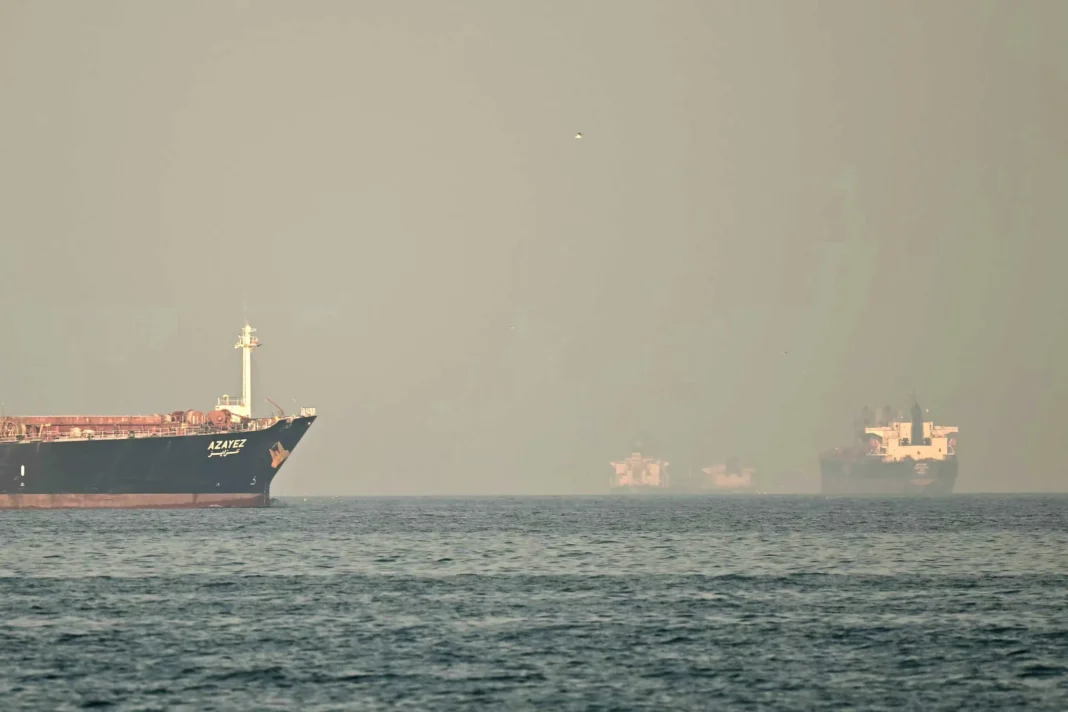
The planned blockade targets shipments moving through the Strait of Hormuz. This route handles a major share of global oil flows. Therefore, any disruption can impact global energy markets immediately.
According to analysts, the move could restrict up to 2 million barrels per day. This volume includes Iranian-linked oil exports. Consequently, supply concerns intensified across global markets.
Meanwhile, Donald Trump confirmed that naval forces would begin enforcement soon. He also warned that fuel prices could remain high for months. This statement highlighted potential economic and political consequences.
In addition, the United States Central Command announced plans to enforce the blockade across Iranian ports. Officials stated that forces would monitor maritime traffic entering and exiting these areas.
However, authorities clarified that ships heading to non-Iranian ports could still pass. Despite this, shipping activity already shows signs of disruption. Many oil tankers have started avoiding the route entirely.
At the same time, Iran issued a strong response. The Islamic Revolutionary Guard Corps warned against foreign military presence near the strait. Officials signaled that they would respond firmly to any violations.
Even so, some oil shipments continued moving through the region. Reports showed that several supertankers crossed the strait recently. These vessels marked the first major shipments after a temporary ceasefire.
On the supply side, Saudi Arabia moved quickly to stabilize markets. The country restored pipeline capacity to about 7 million barrels per day. This step aims to offset potential disruptions from the Gulf.
Overall, the surge in oil prices above $100 reflects deep market sensitivity. Geopolitical risks continue to drive volatility. If tensions persist, prices may remain elevated in the near term.