

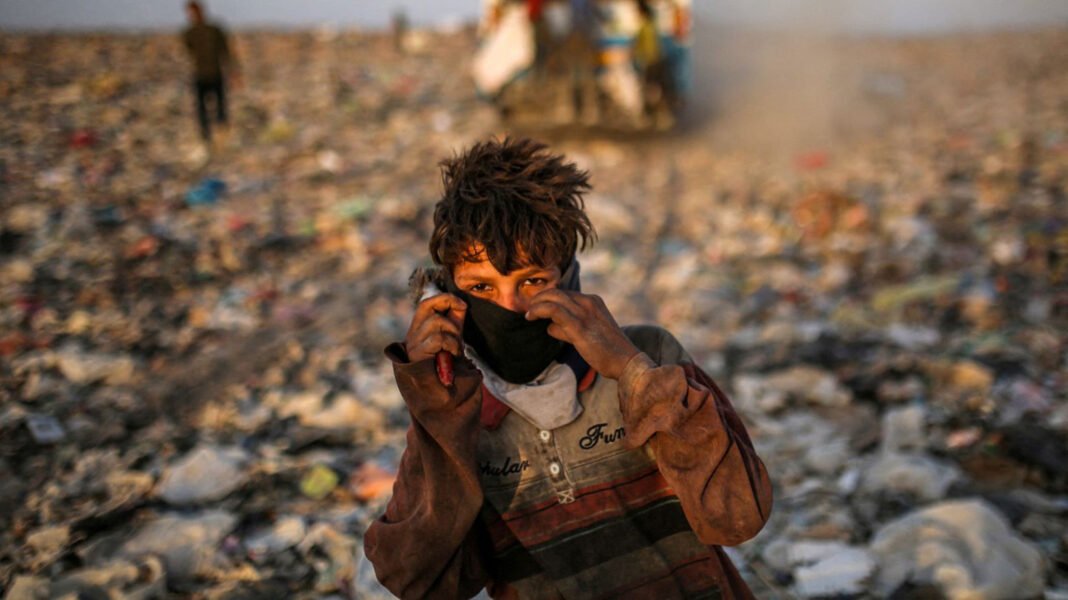
The Iraqi government has launched an annual support program worth 100 billion dinars for the poorest provinces. This initiative aims to improve living conditions and fund essential development projects. With this step, Iraq reinforces its commitment to reducing poverty across the country.
The Ministry of Planning confirmed that the Council of Ministers approved the 100 billion dinars allocation for provinces included in the Reconstruction Fund for the Poorest Provinces. This fund will specifically target service improvements and social development projects. Consequently, local authorities can implement initiatives to benefit citizens directly.
The identification of the poorest provinces relied on the latest Social and Economic Survey of Households in Iraq. The survey showed that national poverty rates dropped from 21% to 17.5%. Despite the overall improvement, certain provinces still face high poverty levels.
Al-Muthanna leads with a 43.6% poverty rate, followed by Babil at 34.4%. Al-Diwaniyah ranks third at 28.9%, while Basra stands at 27.9%. Najaf comes fifth at 25.2%. These five provinces now receive priority support under the 100 billion dinars program. By focusing on these areas, Iraq hopes to reduce inequality and stimulate economic growth in struggling regions.
Meanwhile, Maysan province has seen a remarkable improvement. Its poverty rate fell from 45.4% to 16.3%, allowing it to exit the list of the poorest provinces. Officials praised this achievement, emphasizing that strategic interventions and investments can lead to tangible progress.
The 100 billion dinars fund will cover a range of projects, including infrastructure, education, healthcare, and public services. Authorities plan to monitor progress closely to ensure funds reach the intended communities. By doing so, Iraq aims to ensure transparency and maximize the impact of every dinar spent.
Experts note that ongoing government support, combined with local initiatives, can significantly improve living standards. As a result, citizens in the most disadvantaged areas are likely to see positive changes in daily life. This approach also encourages further investment in social and economic development.
In conclusion, Iraq’s 100 billion dinars program demonstrates a proactive effort to tackle poverty in its most vulnerable provinces. While challenges remain, the initiative provides hope for long-term improvements in citizens’ lives. The repeated focus on targeted support ensures that the poorest communities benefit directly and sustainably.