

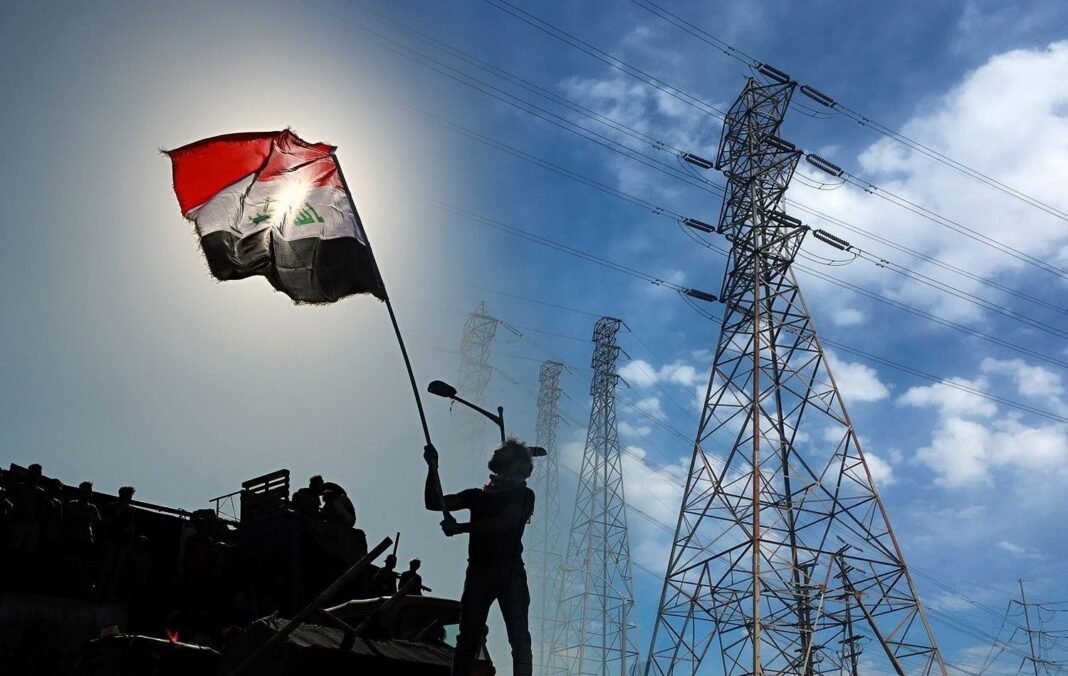
Iraq faces a sharp energy shock as supply disruptions hit the grid. The Iraq power crisis cuts 3,500 MW and exposes deep gaps. The Iraq power crisis, which cuts 3,500 MW, continues to strain daily life.
Baghdad reports a major drop in electricity generation across the country. Officials say the grid lost about 3,500 megawatts after the gas supply fell. This decline follows regional tensions that disrupted energy flows.
The Ministry of Electricity explains the situation with clear numbers. Gas imports now reach about five million cubic meters per day. Previously, imports stood at 19 million cubic meters. However, Iraq needs around 30 million cubic meters daily. Therefore, the current supply cannot meet demand.
Moreover, the shortage began when gas flows suddenly stopped earlier. At that moment, more than 3,000 megawatts left the grid. Energy facilities linked to the South Pars gas field faced damage during regional strikes. As a result, Iraq lost a key energy source.
Later, partial gas flows returned and eased the pressure slightly. Consequently, electricity production reached about 14,000 megawatts. However, this level still falls far below national demand.
In addition, Iraq struggles with long-term energy challenges. Despite large oil reserves, the country lacks a stable electricity supply. Infrastructure gaps and fuel dependency continue to create problems.
During the summer, demand rises sharply across the country. Electricity needs often reach between 50,000 and 55,000 megawatts. Meanwhile, current production stays between 27,000 and 28,000 megawatts. Therefore, the gap between supply and demand remains very wide.
Furthermore, Iranian gas plays a central role in Iraq’s energy system. It supplies about 40 percent of the fuel for power stations. It also supports nearly one-third of total electricity production. Because of this dependence, any disruption quickly impacts the entire grid.
As the crisis continues, officials search for solutions. They aim to diversify energy sources and reduce reliance on imports. At the same time, they work to stabilize current production levels.
The Iraq power crisis cuts 3,500 MW highlights urgent energy risks. It shows how external factors can affect domestic supply. It also raises concerns about future electricity stability.
In conclusion, Iraq must act quickly to strengthen its energy sector. Otherwise, shortages will continue to affect millions of people.