

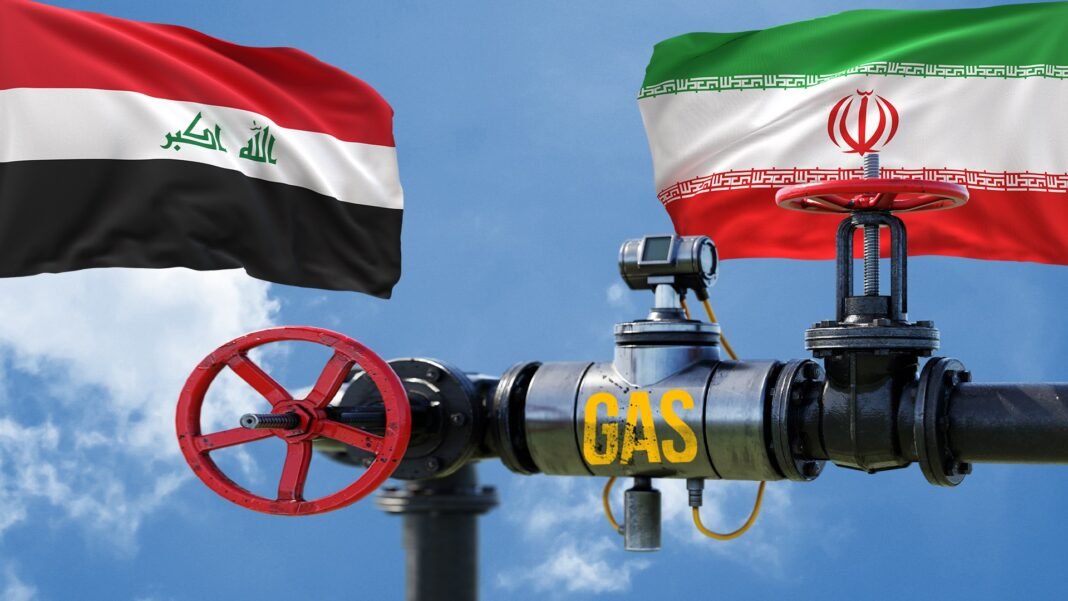
The Iraq gas supply crisis deepens as imported fuel disruptions impact electricity production. Officials confirmed a complete cutoff of Iranian gas to southern regions. At the same time, limited flows reach central areas. The Iraq gas supply crisis raises concerns ahead of peak summer demand.
First, the Iraqi Ministry of Electricity confirmed the shutdown of gas supplies from Iran to southern Iraq. Meanwhile, central regions receive only 5 million cubic meters of gas. This level remains far below operational needs. Therefore, Iraq’s gas supply crisis continues to pressure the power sector.
Moreover, authorities have shifted to alternative fuels to sustain electricity generation. Officials now rely on gas oil to run the affected power plants. This move helps maintain partial operations despite fuel shortages. In addition, coordination with the Iraqi Ministry of Oil supports fuel supply efforts.
However, supply conditions vary across provinces. Some regions receive more stable electricity than others. These differences depend on gas availability and plant capacity. As a result, power distribution remains uneven nationwide.
Furthermore, officials confirmed that strategic plants continue operating where possible. Key areas include Baghdad and Diyala Governorate. Authorities adjust operations based on available fuel volumes. This flexible approach aims to reduce outages.
At the same time, domestic gas production has dropped sharply. Output declined from 1,100 million standard cubic feet per day to about 400. This reduction significantly affects electricity generation capacity. Consequently, Iraq’s gas supply crisis worsens due to internal production limits.
In addition, lower oil production and exports contributed to this decline. Gas production often depends on oil extraction levels. Therefore, reduced oil activity directly impacts gas supply. This link increases pressure on the energy sector.
Despite these challenges, officials report that the power system remains stable. Moderate temperatures have helped reduce electricity demand. This factor allows better load management for now. However, demand will rise sharply during the summer months.
Looking ahead, the government plans several solutions. Construction continues at Khor Al-Zubair port to support gas imports. This platform will provide additional fuel supplies before summer. Furthermore, Iraq is advancing electrical interconnection projects with neighboring countries.
Meanwhile, authorities aim to complete upgrades in the distribution network. These improvements will help meet peak demand. Officials also expect gas flows from Iran to resume. Increased domestic production could further ease the crisis.
In conclusion, Iraq’s gas supply crisis highlights serious energy challenges. While emergency measures support electricity generation, risks remain. Future stability depends on fuel supply recovery and infrastructure readiness.