

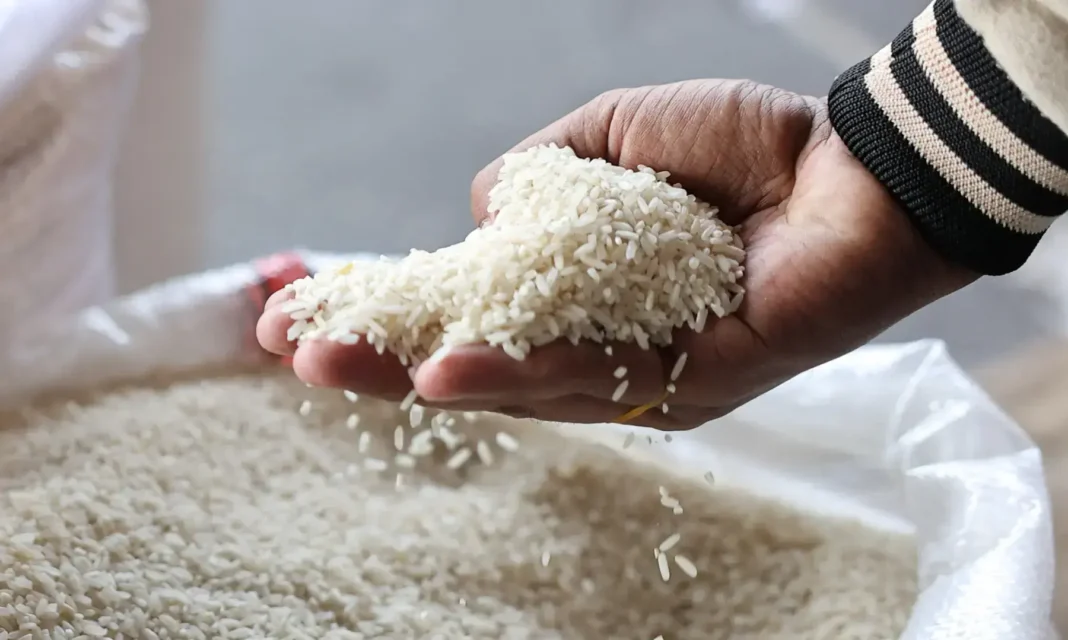
Thailand faces growing challenges in the global rice trade. The rice export pressure increases as costs rise sharply. At the same time, global supply dynamics reshape market conditions.
First, exporters in Thailand report rising operational costs. These costs increased by about 15% recently. Higher fuel prices drive much of this increase. In addition, shipping expenses continue to climb. Therefore, exporters struggle to maintain competitive pricing.
Moreover, disruptions in regional transport routes worsen the situation. Tensions in the Middle East affect logistics chains. As a result, shipments face delays and uncertainty. This environment adds to the overall rice export pressure.
Meanwhile, Iraq plays a key role as an importer. The country depends on Thai rice for its public distribution system. This system supports millions of households. Therefore, any disruption directly affects supply stability.
Data highlights the trade relationship clearly. Iraq imported about 95,000 metric tons of Thai rice during eleven months. This figure shows steady demand despite rising costs. However, ongoing challenges may impact future volumes.
In addition, Thailand expects strong overall export numbers. Total rice exports may reach between 7.8 and 8 million tons. Despite this, cost pressures could limit growth potential. Exporters must balance rising expenses with market demand.
At the same time, global competition affects pricing trends. India holds large rice stockpiles. These reserves help stabilize global prices. Therefore, prices do not rise sharply despite supply concerns.
However, Indian supply also creates indirect pressure. Around 500,000 tons of rice remain delayed at sea. Traders now rush to clear these inventories. Consequently, market competition intensifies further.
In Iraq, market dynamics show a dual supply structure. Government programs rely on Thai rice imports. Meanwhile, private markets prefer Indian basmati rice. This balance shapes consumer access and pricing.
Furthermore, geopolitical tensions add another layer of risk. Conflict involving Iran and regional actors disrupts trade routes. The closure of the Strait of Hormuz affects shipping flows. This route serves as a major global trade corridor.
As a result, transportation costs continue to rise. Delays increase delivery times across markets. Exporters and importers both face uncertainty. Therefore, the rice export pressure remains high.
Additionally, traders must adapt to changing conditions. They explore alternative routes and suppliers. However, these adjustments often increase costs further. This cycle reinforces market instability.
Experts emphasize the need for strategic planning. Exporters should improve efficiency and reduce costs. Governments may also support trade through policy measures. These steps could ease pressure in the long term.
In conclusion, rice export pressure continues to shape Thailand’s trade outlook. Rising costs, global competition, and geopolitical risks drive this trend. Import-dependent countries like Iraq remain highly affected.