

The Iraq-Turkiye cereals exports reached new levels as trade between the two countries expanded. Iraq ranked as the second-largest importer of cereals and oils from Turkiye. As a result, Iraq-Turkiye cereals exports highlighted growing regional demand.
Moreover, Turkiye’s exporters generated $140.8 million in cereals and oils exports during the reported period. Iraq alone accounted for $11.9 million of this total. This share represented 9 percent of overall exports. Therefore, the Iraq-Turkiye cereals exports showed strong market importance.
In addition, Syria led all importers with $14.5 million, making up 11 percent. Meanwhile, Sudan ranked third with $8.7 million. Germany also remained a key European buyer with imports worth $6.9 million. Consequently, the Iraq-Turkiye cereals exports formed part of a wider global trade network.
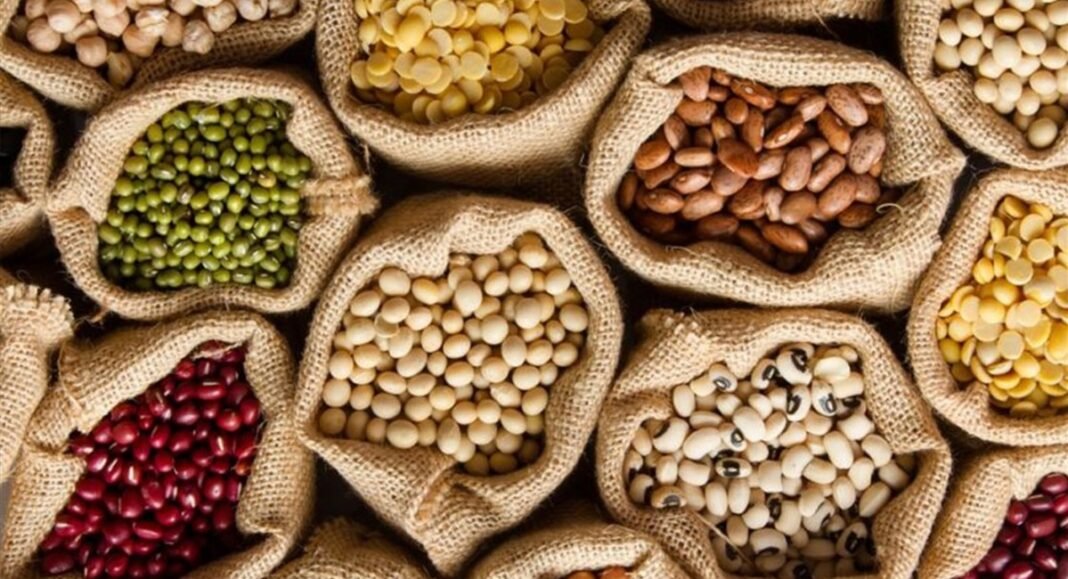
Furthermore, processed food products played a major role in export growth. Pulses accounted for 26 percent of shipments. Sweets followed with 20 percent, while sweet biscuits contributed 6 percent. This product mix reflected changing consumer demand across markets.
At the same time, rising demand drove export expansion. Regional markets increased imports to meet food supply needs. International buyers also boosted purchases due to stable Turkish production. Therefore, the Iraq-Turkiye cereals exports benefited from both regional and global demand.
In contrast, competition among importing countries remains strong. Each market seeks reliable suppliers and competitive prices. Iraq continues to strengthen its position as a major buyer. As a result, the Iraq-Turkiye cereals exports may grow further in the future.
Additionally, Iraq’s demand reflects domestic consumption trends. Population growth and food needs push imports higher. Local production still faces limitations, which increases reliance on imports. Therefore, Iraq-Turkiye cereals exports support food availability in the country.
Meanwhile, trade relations between Baghdad and Ankara continue to improve. Strong economic ties encourage higher trade volumes. Exporters aim to expand their presence in Iraqi markets. Consequently, Iraq-Turkiye cereals exports reflect deeper economic cooperation.
Looking ahead, analysts expect continued growth in this sector. Demand for processed food and cereals may rise further. Exporters will likely focus on maintaining supply and quality. This strategy could strengthen Iraq’s position as a key market.
In conclusion, Iraq ranked second among importers of Turkish cereals and oils with $11.9 million in purchases. The growing demand highlights expanding trade ties and increasing food needs. This trend supports long-term economic cooperation between the two countries.