

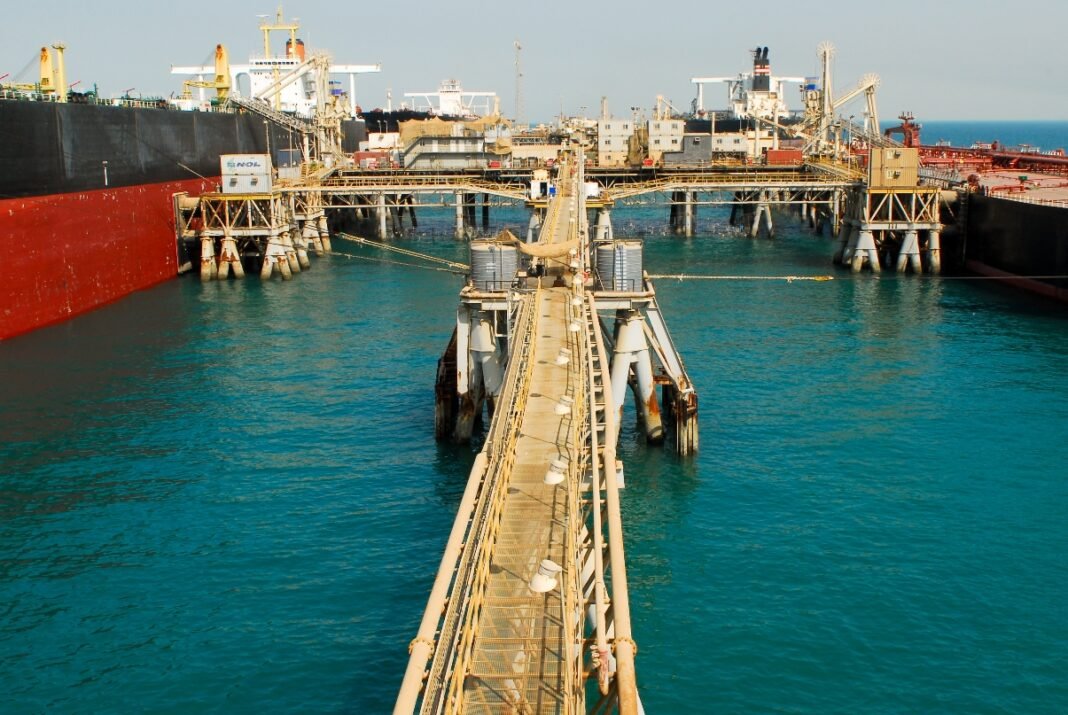
Iraq has expanded its international partnerships as Iraq’s trade with Italy hits $2.7B. Trade between Iraq and Italy reached more than $2.7 billion. This growth reflects stronger economic ties and rising energy exports.
Most of this trade comes from crude oil shipments. Iraq exported about $2.6 billion worth of oil to Italy. Therefore, energy remains the main driver of this partnership. The Iraq-Italy trade hits $2.7B trend highlights oil’s continued dominance.
In addition, Iraq increased its non-oil exports. These exports reached around $112 million. They include agricultural products, raw materials, and selected manufactured goods. Although smaller, this sector shows gradual diversification.
Meanwhile, imports from Italy also play a key role. Iraq imported goods worth €192 million, equal to about $207 million. These imports include industrial equipment, machinery, and business-related services.
Furthermore, Italian companies continue to engage with Iraqi partners. They provide technical expertise and advanced machinery. As a result, this cooperation supports development in several sectors.
Economic analysts note that oil still shapes the trade balance. However, they also emphasize the importance of diversifying exports. Expanding non-oil sectors could strengthen long-term stability.
Moreover, trade platforms such as OEC track these developments closely. Their data confirms steady growth in bilateral trade.
At the same time, global energy demand continues to influence Iraq’s exports. Italy relies on stable oil supplies to support its economy. Therefore, this relationship benefits both countries.
In addition, stronger trade ties could open new opportunities. Iraq may attract more European investment in infrastructure and industry. Likewise, Italy may expand its presence in Iraqi markets.
However, experts warn about overreliance on oil revenues. Price fluctuations can affect trade value significantly. For this reason, economic diversification remains a priority.
Overall, the Iraq-Italy trade hits $2.7B milestone reflects both progress and challenges. Oil exports drive growth, while non-oil sectors show early signs of expansion.