

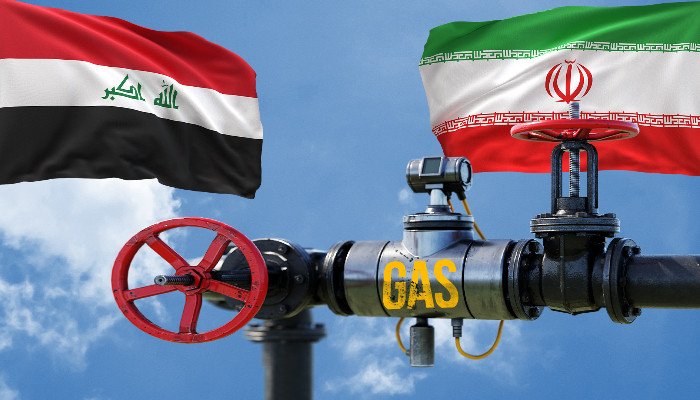
Baghdad faces a major crisis as the Iraq power supply loss hits the national grid after a sudden gas cutoff. Authorities confirm that supplies from Iran dropped sharply, leaving power stations without fuel. As a result, more than 3,000 megawatts disappeared from Iraq’s electricity system.
Officials from the Ministry of Electricity explain that gas flows fell from 19 million cubic meters to zero. This sharp decline created immediate pressure on energy production. Consequently, power plants across Iraq reduced output. The situation quickly disrupted electricity availability in several areas.
Moreover, the crisis did not come without warning signs. Regional tensions had already threatened energy infrastructure. However, the situation escalated after major strikes targeted key gas facilities in Iran. These attacks hit the South Pars gas field and nearby energy sites in Asaluyeh. Therefore, gas exports to neighboring countries stopped completely.
Meanwhile, the South Pars field plays a vital role in global energy markets. It sits in Bushehr province and connects to a massive offshore gas reserve. Iran shares this resource with Qatar. Because of this, any disruption at the site creates regional and international consequences.
As the crisis unfolds, Iraqi authorities move quickly to manage the shortfall. Officials attempt to redistribute available electricity across provinces. At the same time, engineers work to stabilize the grid. However, the sudden loss of 3,000 MW creates a gap that remains difficult to fill immediately.
In addition, Iraq depends heavily on imported gas to run its power plants. This reliance increases vulnerability during regional conflicts. Therefore, the current crisis highlights long-standing structural challenges in the energy sector. Experts often stress the need for domestic gas development and diversified energy sources.
Furthermore, the supply halt affects daily life and economic activity. Businesses face operational disruptions due to unstable electricity. Households also experience longer power outages, especially during peak demand hours. As a result, public pressure on the government continues to grow.
On the geopolitical level, the strikes that triggered this crisis are linked to escalating tensions involving the United States and Israel. These developments increase uncertainty across the region. Consequently, energy security remains a top concern for policymakers.
Looking ahead, Iraq may explore alternative fuel options. Authorities could increase reliance on liquid fuels or domestic production. However, these solutions require time and resources. For now, Iraq’s power supply loss continues to strain the system.
In conclusion, Iraq faces a serious electricity challenge after the gas halt. The sudden loss of supply exposes vulnerabilities in the national grid. Until stable imports resume or alternatives emerge, the Iraq power supply loss will remain a critical issue affecting both the economy and daily life.