

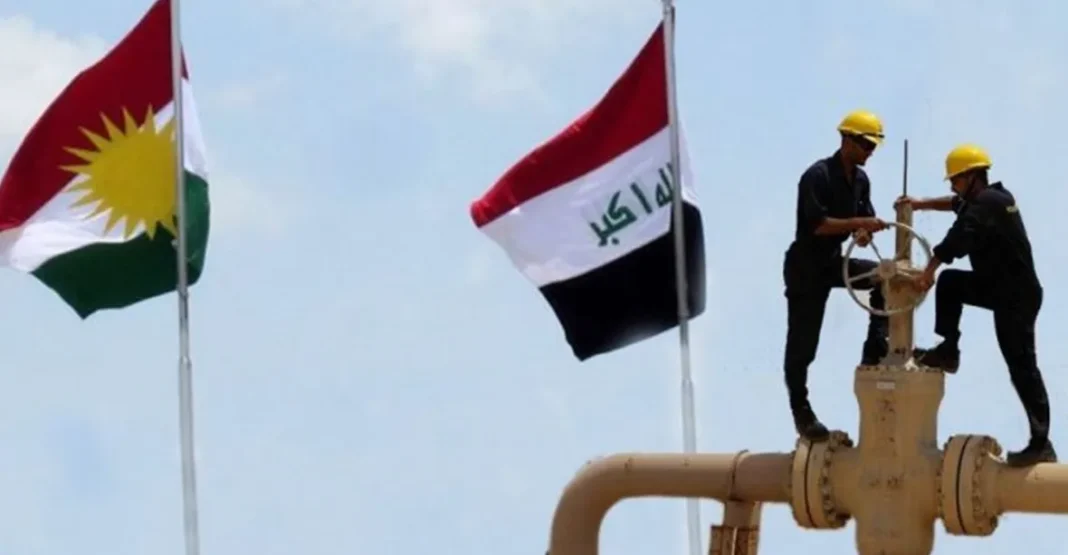
Iraq takes a major step toward restoring energy flows. The Iraq oil export deal between Baghdad and Erbil will restart shipments through the northern pipeline. This agreement comes after weeks of intense negotiations.
First, both governments reached a rare understanding on energy cooperation. The Iraq oil export deal includes forming a joint committee. This committee will supervise oil reserves and protect key infrastructure.
As a result, coordination between federal and regional authorities has improved. This progress marks a shift after years of disputes over oil management. Therefore, the agreement signals a new phase of cooperation.
Meanwhile, Iraq’s Oil Ministry increased pressure during negotiations. Officials warned they would move forward without regional participation. Consequently, both sides accelerated talks and finalized the agreement.
Importantly, the Iraq oil export deal focuses on restarting flows to Türkiye’s Ceyhan port. This route plays a crucial role in Iraq’s export network. It connects northern oil fields to global markets.
Previously, Iraq depended heavily on southern export terminals. However, regional conflict disrupted those routes and blocked shipments. Therefore, the northern pipeline now offers a vital alternative.
The agreement will restore exports from key northern fields, especially in Kirkuk. These fields hold strategic importance for Iraq’s production capacity. As a result, output levels could stabilize in the coming weeks.
At the same time, Iraq relies heavily on oil revenue. Oil income forms the largest share of the national budget. Therefore, restoring exports remains essential for financial stability.
In addition, the Iraq oil export deal aims to offset losses caused by disrupted southern shipments. By restarting the pipeline, Iraq can regain access to international buyers. Consequently, export volumes may gradually recover.
However, challenges remain. Ongoing regional tensions continue to pressure Iraq’s energy sector. Security risks also threaten infrastructure and supply routes.
Despite these risks, the agreement shows strong political will. Both Baghdad and Erbil recognize the urgency of economic stability. Therefore, cooperation becomes necessary during this critical period.
Furthermore, the joint committee will play a key role in implementation. It will monitor production, manage logistics, and ensure fair distribution. As a result, transparency may improve across the sector.
The restart of the Kirkuk-Ceyhan pipeline also strengthens Iraq’s position in global energy markets. Reliable exports help maintain trust with international partners. Consequently, Iraq can protect its market share.
Looking ahead, the success of the Iraq oil export deal depends on continued cooperation. Authorities must maintain coordination and address remaining disputes. At the same time, they must improve security conditions.
Overall, the Iraq oil export deal represents a crucial step toward recovery. It supports export stability, strengthens cooperation, and helps Iraq navigate regional challenges.