

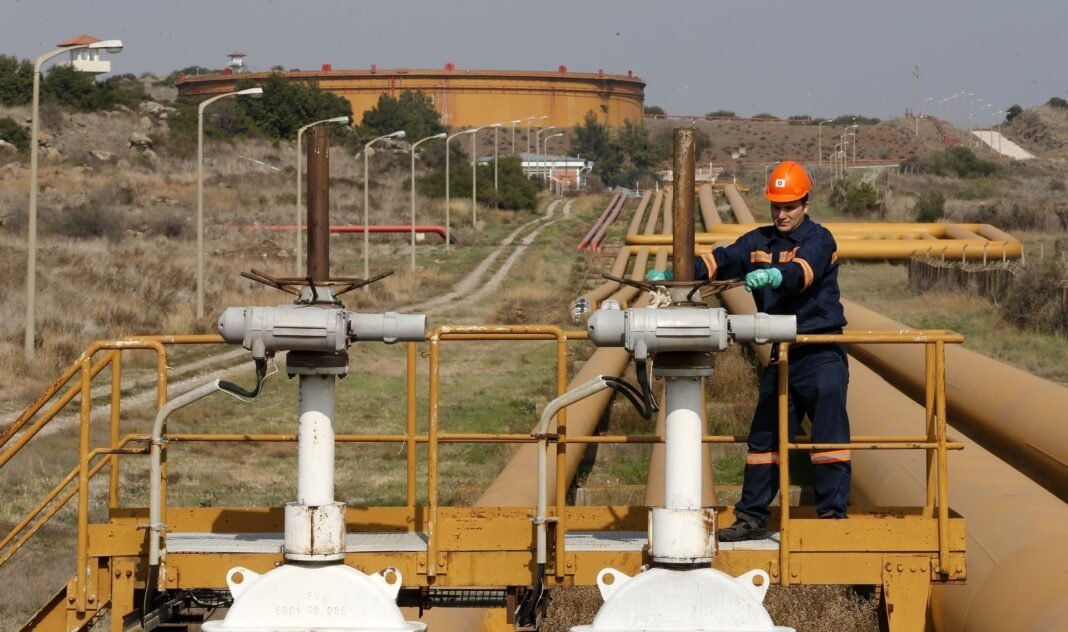
Iraq moves forward with a key energy agreement. The Iraq pipeline deal now aims to restart oil exports through the northern route. This step could help restore energy flows during a difficult period.
First, the United States welcomed the agreement between Baghdad and Erbil. Officials praised both sides for reaching a deal at a critical time. Therefore, the Iraq pipeline deal gains strong international support.
A senior U.S. envoy highlighted the importance of cooperation. He explained that coordination between both governments will help stabilize energy markets. As a result, the agreement may support economic recovery.
Meanwhile, authorities in the Kurdistan Region confirmed ongoing discussions with Baghdad. Leaders aim to ease trade and import restrictions across the region. In addition, they seek guarantees for oil and gas companies to resume operations safely.
Importantly, the Iraq pipeline deal focuses on restarting exports through Türkiye’s Ceyhan port. This route provides a vital alternative to southern export channels. Therefore, it plays a key role during disruptions in the Strait of Hormuz.
Previously, Iraq relied heavily on southern exports. However, regional conflict has delayed many shipments from the Gulf. Consequently, northern pipelines now offer a critical solution.
The restart of pipeline exports could improve national revenue. Iraq depends heavily on oil income to fund its budget. Therefore, restoring exports remains a top priority for authorities.
At the same time, security concerns continue to threaten progress. Iraq has recently experienced several attacks targeting key infrastructure. These incidents raise concerns about the safety of energy facilities.
For example, attacks have hit energy sites, diplomatic missions, and major institutions. Cities such as Baghdad, Basra, and Erbil have all witnessed security incidents. As a result, investors remain cautious.
Some of these attacks involved armed groups operating within Iraq. These groups maintain influence despite being part of the broader security framework. Consequently, controlling these forces remains a challenge for the government.
Recent incidents also targeted foreign diplomatic locations. Attacks affected embassies, consulates, and hotels hosting international delegations. Therefore, foreign presence in Iraq has decreased in response to security risks.
In addition, a major attack targeted the Central Bank building in Baghdad. This incident highlighted the growing number of sensitive targets. As a result, concerns about infrastructure protection have increased.
Because of these developments, several foreign missions reduced their activity in Iraq. Some diplomatic teams temporarily limited operations due to safety concerns. Therefore, the security situation affects both politics and business.
Despite these challenges, the Iraq pipeline deal remains an important step forward. Restarting exports could help stabilize the economy during ongoing regional tensions.
However, experts warn that security improvements remain essential. Without stronger protection, energy infrastructure may continue to face risks. Therefore, stability depends on both political agreements and security control.
Ultimately, the Iraq pipeline deal reflects efforts to balance economic recovery with security challenges. If successful, the agreement could restore part of Iraq’s oil exports and support financial stability.